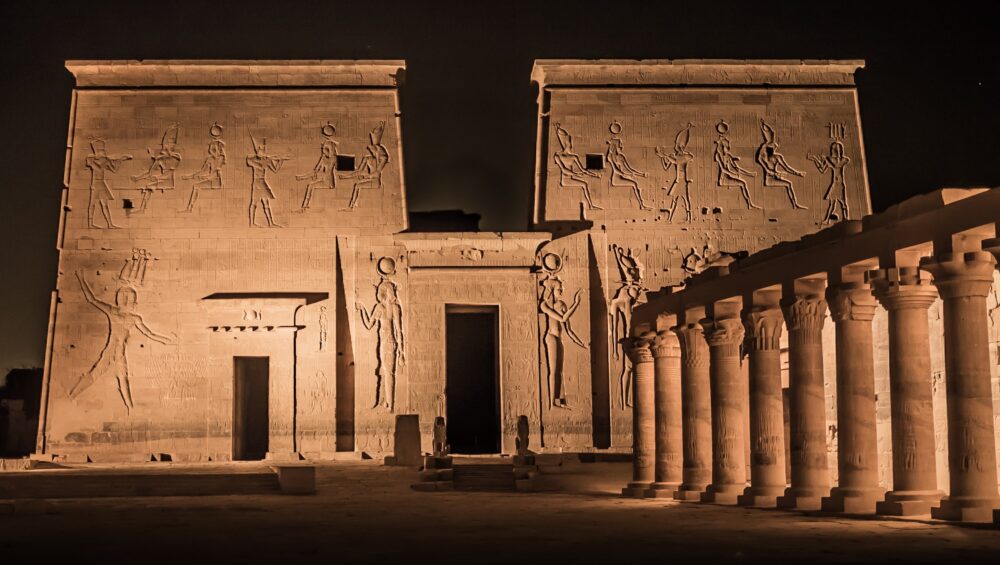
Philae Temple: Isis, History, Tickets and Aswan Visitor Guide 2027
Philae Temple: Isis, History and Visitor Guide
Philae Temple makes an impression before you step ashore. From the boat, sandstone gateways rise above the water, framed by granite islands and a line of columns. The setting invites you to slow down, but the story behind it is anything but still: a sanctuary of Isis, a meeting place of religious traditions, and a monument carefully moved to escape flooding.
This guide brings those stories together with the details that make a visit easier. You will discover what to look for inside the complex, how to arrange the boat journey, and why the island you visit today is called Agilkia even though the monument remains known as Philae.
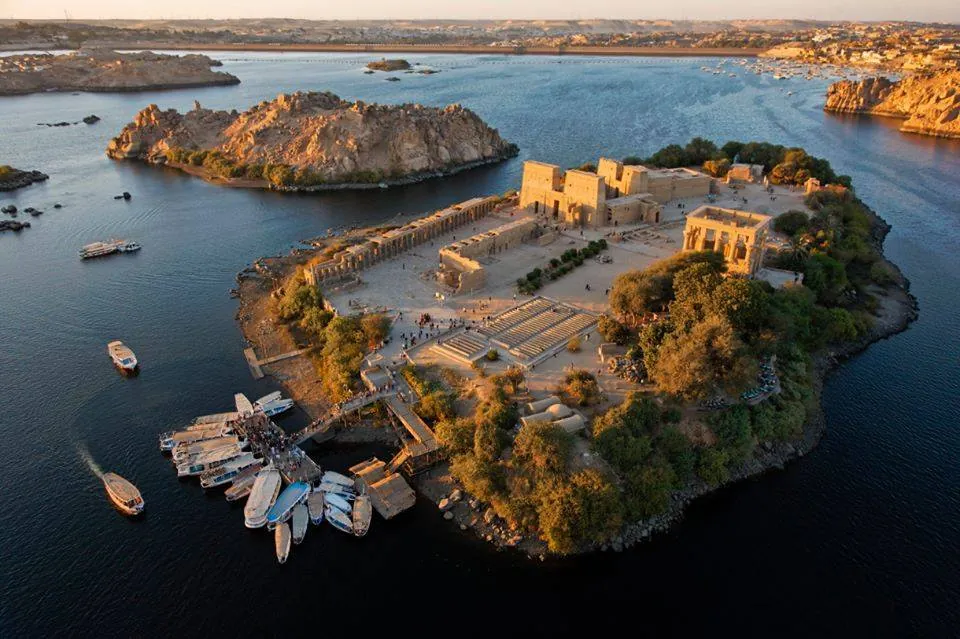
Philae Temple at a Glance
- Location: Agilkia Island, south of central Aswan.
- Main attraction: the Temple of Isis, surrounded by smaller monuments and colonnades.
- Access: road transport to the landing, followed by a motorboat crossing.
- Suggested visit: allow roughly two to three hours for the island and boat arrangements, plus travel from your accommodation.
- Good to know: archaeological admission, boat transport, and evening entertainment are separate arrangements unless your booking specifically includes them.
Where Is Philae, and Why Is It on Agilkia Island?
The name Philae belongs to the original island and its temple complex. Today, the relocated monuments stand on nearby Agilkia, in the stretch of water between the Aswan Low Dam and the High Dam. Keeping those two island names in mind prevents a common misunderstanding: the temples are ancient, but their present foundations belong to a modern rescue project.
For navigation, use the boat departure point agreed with your driver or operator. A map pin placed directly on the temple identifies the destination, but does not explain the road journey to the landing. Travelers staying on another island should also confirm where their first boat connects with their car.
You may encounter different English spellings of Philae and Agilkia. These reflect transliteration rather than different attractions. The essential booking details are the temple, your departure point, and whether the return crossing is included.
A Brief History of the Temple Complex
Philae developed over generations. The Ministry of Tourism and Antiquities identifies the kiosk of Nectanebo I, who ruled in the fourth century BCE, as the island’s earliest surviving structure. Much of the great Temple of Isis was built and decorated during the Ptolemaic period, with additional monuments and decoration under Roman rule. The official Aswan visitor guide places these buildings within the wider group of monuments on the island.
That sequence matters when you look at the walls. Philae was not the work of a single ruler with a single plan. Successive patrons added their presence to a sacred place that already carried authority. A useful way to explore is to notice how gateways, courts, and smaller buildings relate to one another, rather than trying to assign the entire island one construction date.
The setting near Egypt’s southern frontier also gives the sanctuary a broader context. In this region, the Nile connected communities as well as separating territories. Read Philae alongside the monuments of Nubia, and the island becomes part of a much larger history of movement, political power, and religious exchange.
Isis, Osiris, and Horus: Understanding the Sacred Family
Isis is the central figure at Philae. In ancient Egyptian religion she was the wife of Osiris and mother of Horus, with strong associations with protection and motherhood. Images of Isis nursing Horus express more than a family relationship: Horus also represents legitimate kingship. The Metropolitan Museum’s discussion of Isis and Horus explains this connection through a surviving statuette.
When a guide describes the stories of the divine family, listen to them as religious traditions, not as a biography of historical people. Different versions developed in different places and periods. Their value during a temple visit lies in helping you recognize relationships and understand why repeated images mattered to worshippers.
You do not need to memorize every deity before arriving. Begin with three questions: who receives an offering, who presents it, and what action connects them? This approach makes a carved scene easier to follow than trying to translate an entire wall. A guide can then add names and context to what you have already noticed.
What to See Inside Philae Temple
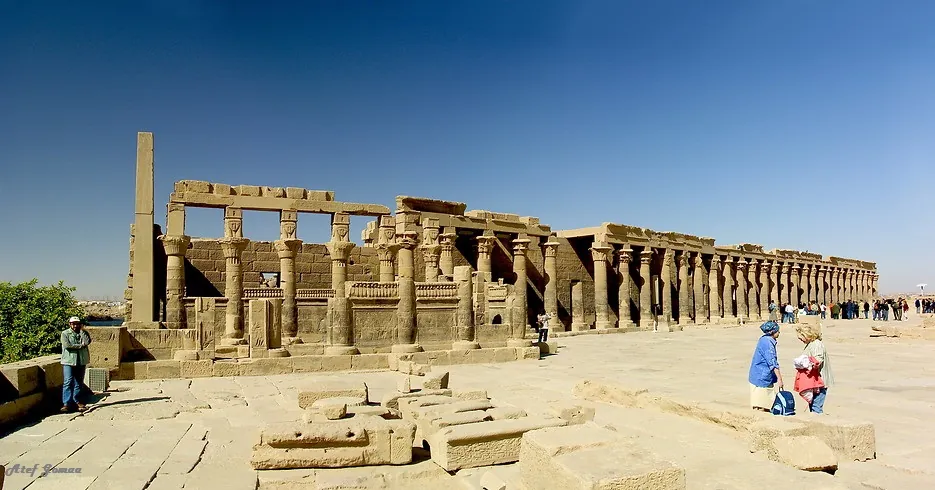
The Approach and Colonnades
Give the approach its own time. Rows of columns lead your eye toward the main gateway, while the spaces between them frame water, sky, and neighboring stonework. Walk a short distance along the court before taking photographs; the changing angle often reveals more of the architecture than a single view from the entrance.
Look upward as well as ahead. The varied profiles of column capitals reward close attention, especially when light brings out their carved surfaces. For a simple visual exercise, choose two capitals and compare their outlines. It turns an impressive row of stone into individual pieces of craftsmanship.
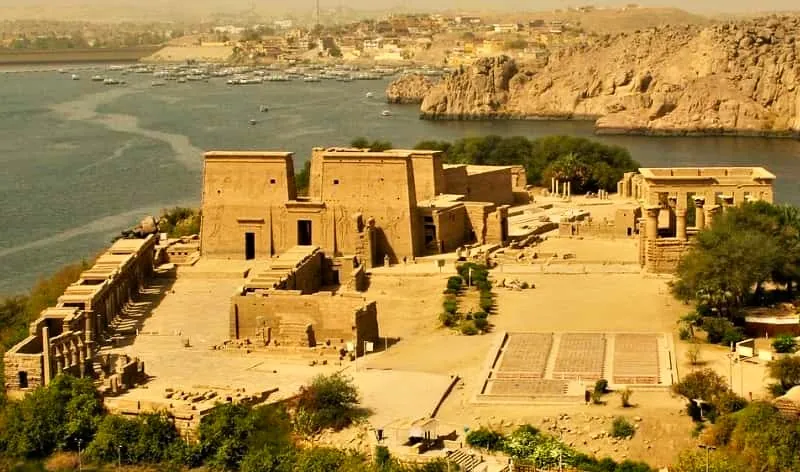
The First Pylon and Courtyard
The great gateway is an obvious place to pause. Its broad stone faces and carved figures announce the scale of the sanctuary beyond. Stand back first to take in the whole composition, then move closer to inspect details without touching the reliefs. The change from open approach to enclosed court is part of the experience.
A busy entrance can encourage visitors to hurry through. If a large group arrives, explore a nearby permitted area and return once the gateway clears. You will find it easier to hear your guide, see the carvings, and make a photograph without blocking other visitors.
The Birth House and Inner Rooms
The mammisi, or birth house, connects the temple’s architecture with the story of Horus. The Ministry’s Philae page highlights a scene of Isis nursing her son among marsh plants. Ask your guide to identify it if the relevant area is accessible during your visit.
As you continue inward, allow your eyes to adjust to the changing light. Smaller rooms can feel very different from the bright courts. Avoid gathering in doorways for long explanations, and follow the permitted route. A chamber being visible does not necessarily mean visitors may enter it.
Trajan’s Kiosk and the Smaller Monuments
Trajan’s Kiosk offers another memorable view, with open spaces between tall columns and the river landscape beyond. Rather than treating it simply as a photograph stop, compare its airy appearance with the more enclosed parts of the main sanctuary. The contrast helps explain why the island offers such a varied walk.
The complex also includes the Temple of Hathor and other smaller monuments. Leave room in your schedule for these buildings instead of returning to the boat immediately after the main temple. Check which areas are open, and let your guide adapt the route to access conditions and your interests.
Later Worship and the Last Dated Hieroglyphs
Philae’s religious history continued into late antiquity. The Ministry records a hieroglyphic inscription made by the priest Esmet-Akhom in AD 394 and identifies it as the last dated example. It also describes the sanctuary’s continued activity into the reign of Justinian I and its later conversion into a church.
These layers deserve a careful explanation. Avoid reducing centuries of religious change to one dramatic moment of destruction. The surviving buildings can carry evidence of reuse, damage, and adaptation together. Ask which marks your guide can securely identify, and distinguish visible evidence from an interpretation offered to explain it.
How Philae Was Rescued from Flooding
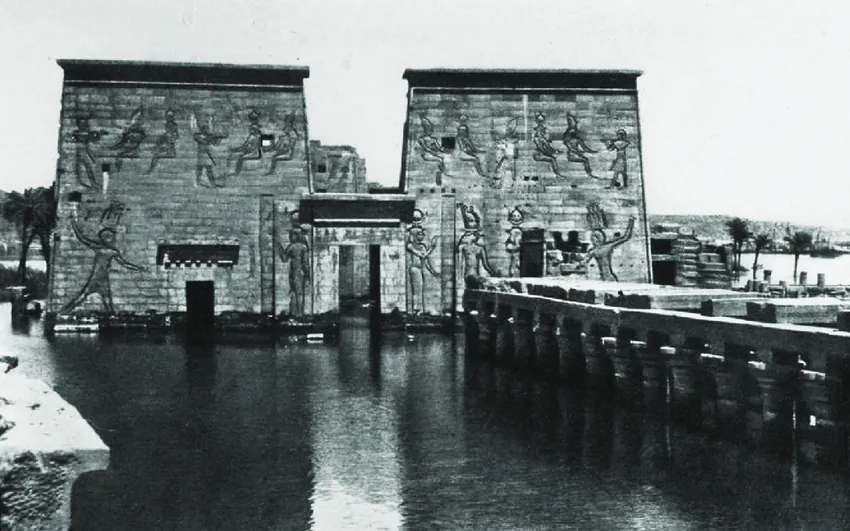
The historic photograph of water around the gateway shows why the rescue story belongs in any visit. Before relocation, flooding affected the monuments on their original island. UNESCO’s 1972 film record describes water damaging the walls and foundations while plans were developed to move the complex.
The solution involved dismantling and rebuilding the monuments on Agilkia. UNESCO places the transfer between 1972 and 1979, within the wider international Nubian campaign that ran from 1960 to 1980. Its account of the rescue campaign connects Philae with the other monuments saved through international cooperation.
This makes the present island a place to think about conservation as well as antiquity. The stones were preserved by changing their setting. When you compare the historic image with the dry courts around you, the achievement becomes easier to appreciate: the place you can walk through today required deliberate decisions, skilled work, and sustained cooperation.
Philae forms part of the UNESCO World Heritage property, Nubian Monuments from Abu Simbel to Philae, inscribed in 1979. A visit to Kalabsha Temple or Abu Simbel offers another perspective on this shared rescue history.
Getting There: Plan the Car and Boat Together
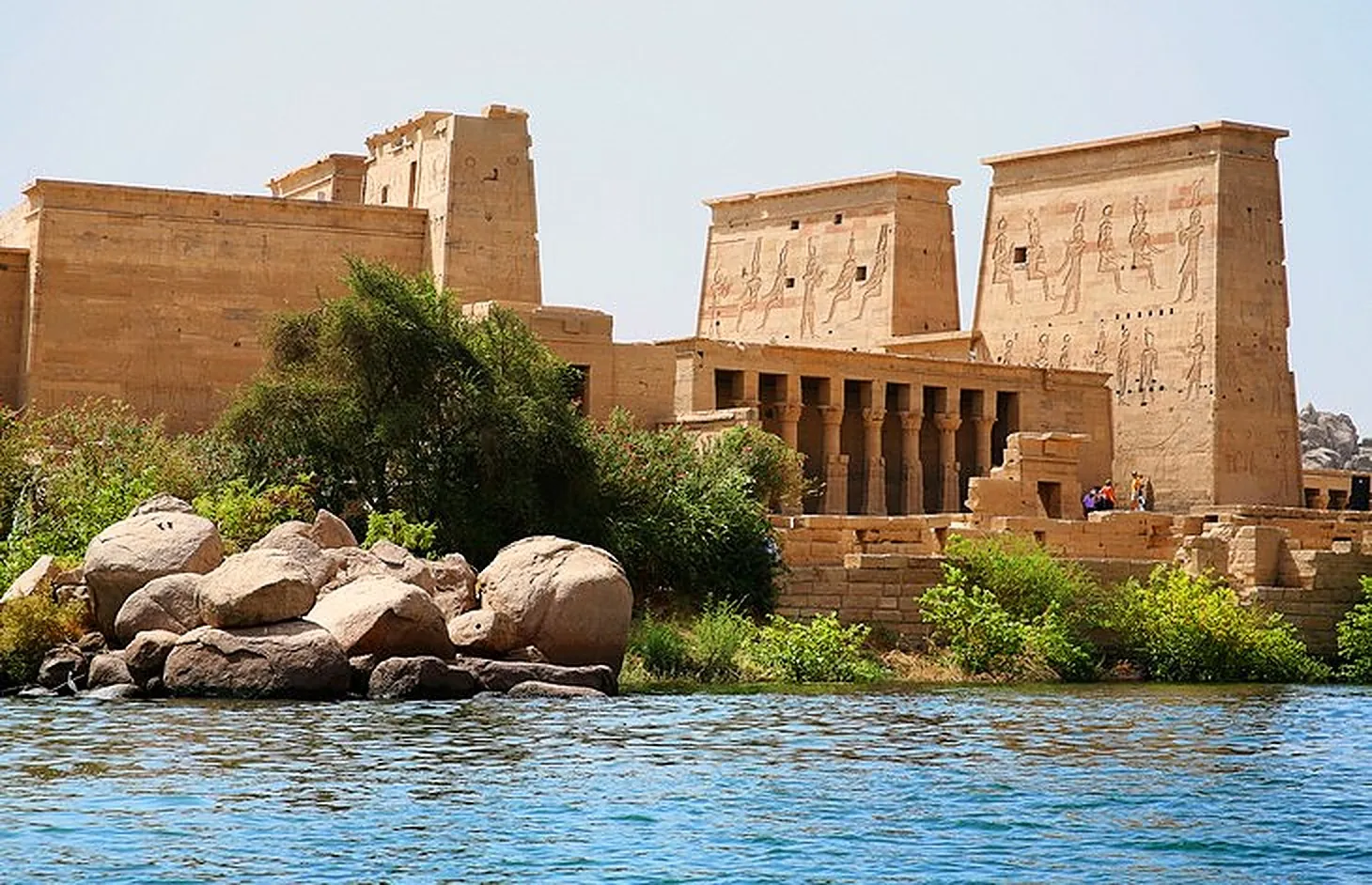
The simplest plan has three clear stages: pickup from an accessible point, arrival at the temple boat landing, and a return crossing after the visit. Confirm all three before setting out. A price described as a transfer may cover the road journey only, while another arrangement may include the boat and waiting time.
For an independent visit, agree the boat price and what it covers before boarding. Confirm whether it is for the whole boat or each passenger, whether it includes the return, and how you will recognize the boat afterward. Keep the agreed contact details available offline.
If you prefer an organized outing, review the inclusions of the Atum Trip Philae Temple private tour. Ask about guiding, admission, pickup, and boat arrangements for your date. A clear written outline makes it easier to compare options and avoids relying on assumptions.
Timing, Comfort, and Photography
Allow about two to three hours for a relaxed island visit and boat arrangements, then add the road journey from your accommodation. This is a planning allowance, not a guaranteed schedule. Groups, boarding time, weather, and the depth of your guided visit can all change the total.
An early visit can make exposed walking more comfortable. If choosing a later departure, check the closing time first and allow enough margin for the crossing and entry. Do not plan around sunset alone: attractive evening light does not mean the archaeological site remains open for ordinary daytime admission.
Bring water, sun protection, and shoes with a secure grip. Keep a hand free while boarding, protect your phone from splashes, and take care where the paving is uneven. Pack lightly enough that you can move comfortably through narrow spaces and help children without juggling several bags.
For photography, combine three types of view: the island from the boat, the full architecture from a safe standing point, and close details photographed without touching the stone. Wait for other visitors to pass rather than asking everyone to move. Follow current staff guidance on equipment and restricted areas.
Visiting with Children or Mobility Needs
With children, turn the visit into a short search for shapes, animals, and repeated figures rather than a continuous history lesson. Plan pauses in suitable shaded areas, and keep younger children close near the landing and water. A shorter, attentive visit can be more rewarding than trying to inspect every room.
Travelers with mobility needs should describe their requirements before booking. Ask specifically about boarding the available boat, steps, uneven ground, and assistance. Do not assume that a road vehicle described as accessible guarantees an accessible crossing or temple route; each stage needs its own practical answer.
Philae at Night and the Sound and Light Show
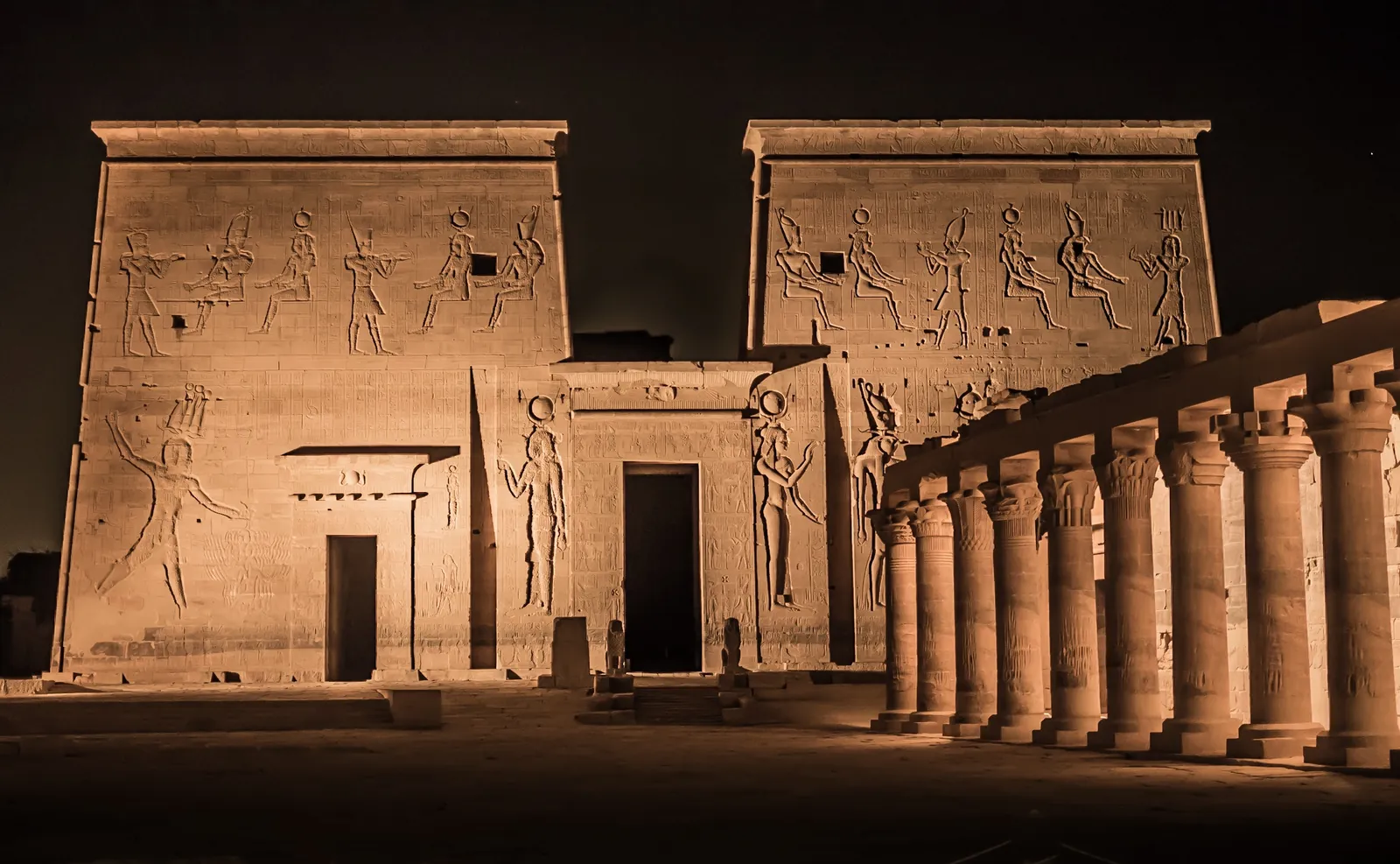
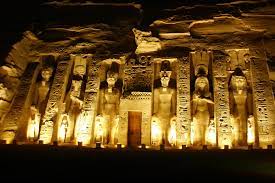
The illuminated gateway gives Philae a different atmosphere after dark. If the evening show interests you, check the official Sound and Light website for the available Philae program, language, date, and booking conditions. Arrange the return transport around the confirmed performance.
Treat the evening experience as its own booking. Confirm boat arrangements and whether any daytime visit is included. For travelers especially interested in carvings and architecture, daylight provides the opportunity to study details; the evening program offers a different way to experience the setting.
Combining Philae with Other Aswan Visits
Build the day around your interests rather than the longest possible list. If ancient construction appeals to you, pair Philae with the Unfinished Obelisk. If you want cultural context, allow time for the Nubian Museum. Leave a break for lunch and travel instead of treating the boat crossing as an instant connection.
A practical half-day outline starts with a confirmed pickup and boat crossing, followed by an unhurried walk through the colonnades, the main sanctuary, and the smaller buildings. Before leaving the island, take a final look back toward the entrance from a permitted viewpoint. Return to your accommodation for a break, or continue to one additional attraction if your energy and transport arrangements allow.
If Philae is your first temple in Egypt, keep a few photographs of the features you enjoyed most. At later sites, compare the gateways, column shapes, and offering scenes. This gives your journey a thread of discovery without requiring you to remember every royal name. A notebook with a few questions can also help you get more from your next guided visit.
For a longer stay, explore Elephantine Island on another outing, or use the Atum Trip guide to things to do in Aswan to balance temples with quieter river time. Travelers continuing north can compare Philae with Kom Ombo and Edfu Temple.
Philae Temple Tickets and Opening Hours
Checked on 7 September 2026, the official Ministry page lists daily opening from 7:00 am to 4:00 pm. Its listed admission is EGP 550 for foreign adults and EGP 275 for foreign students, or EGP 40 for Egyptian adults and EGP 20 for Egyptian students. It also lists a separate temple-panorama ticket.
Use the official monuments ticket portal to check available online booking, or confirm the current admission procedure before visiting. Check the documentation required for student rates. Budget separately for boat transport and evening entertainment unless your booking explicitly includes them. Prices, access, and hours may change; reconfirm close to your visit and allow time before closing for the crossing and entry.
Frequently Asked Questions About Philae Temple
Is Philae Temple the same as the Temple of Isis?
The Temple of Isis is the principal sanctuary within the Philae complex. A visit also includes the surrounding courts, colonnades, and smaller monuments that are open at the time.
Can I reach Philae without taking a boat?
The visitor journey includes a boat crossing to Agilkia Island. Confirm the departure landing and return arrangements, even if you already have road transport from your accommodation.
How much time should I allow?
Plan roughly two to three hours for the island and boat arrangements, plus road travel. Allow more time if you enjoy detailed guiding, photography, or a slower walking pace.
Was the temple completely destroyed and rebuilt as a replica?
No. The rescue transferred the historic monuments to Agilkia through dismantling and reconstruction. The present setting is different, but the visit is to relocated ancient buildings.
Do I need a guide?
A guide is useful for understanding the scenes and the sequence of buildings. If exploring independently, read a reliable overview beforehand and allow time to study the site information.
Does the entry ticket include the boat or night show?
Plan for separate arrangements. Check the exact inclusions of any package, including return transport, rather than assuming one payment covers archaeological entry, the crossing, and entertainment.
Is Philae suitable for a family visit?
It can make an engaging family outing when paced around the children’s needs. Bring water and sun protection, keep close supervision near the water, and include breaks during the walk.
Where should I check prices before traveling?
Use the Ministry’s official Philae page and the official monuments ticket portal linked above. For evening performances, consult the Sound and Light operator’s current booking information.
Discover Philae and the heritage of Aswan with a visit planned around your interests.

Read more in the Atum Trip blogs:
- Abu Simbel Temples
- Philae Temple
- Kom Ombo Temple
- Edfu Temple
- Qubbet el-Hawa
- Elephantine Island
- Kalabsha Temple
- Ancient Egyptian Medicine
- Who Is Atum?
- Things to Do in Aswan
- Airport Taxi Transfer Service Booking Guide
- Esna Temple, Khnum and Elephantine
- Aswan to Hurghada or Marsa Alam
Philae Temple Location
Use the interactive map below to view Philae Temple, Agilkia Island, Aswan, Egypt and open directions in Google Maps.