
Aswan High Dam: History, Lake Nasser, and Visitor Guide
South of Aswan, the Nile opens into a vast blue landscape shaped by one of the most ambitious engineering projects of the twentieth century. The Aswan High Dam changed the seasonal rhythm of the river, created Lake Nasser, expanded hydroelectric power, and transformed life across Egypt and Nubia. Visiting the dam is not only about seeing a monumental structure; it is an opportunity to understand modern Egyptian history, water management, engineering, and the human stories behind development.
Aswan High Dam at a Glance
- Location: About 13 kilometres south of Aswan city.
- Construction: Work began in 1960, the main structure was completed in 1970, and the dam was formally inaugurated in 1971.
- Type: Rock-fill embankment dam with a watertight clay core.
- Main purposes: Long-term water storage, flood control, irrigation regulation, and hydroelectric power.
- Reservoir: Lake Nasser in Egypt, continuing south into Sudan as Lake Nubia.
Why Was the Aswan High Dam Built?
For thousands of years, agriculture in Egypt depended on the annual Nile flood. A moderate flood renewed farmland, but very high floods could destroy homes and crops, while weak floods could cause drought and food shortages. Egyptian planners wanted a system that could store water across several years and release it according to national needs.
The High Dam was therefore designed to reduce the danger of extreme floods, maintain water supplies during dry periods, support year-round irrigation, and generate electricity for Egypt’s expanding towns and industries. The project became closely connected with President Gamal Abdel Nasser and the country’s wider programme of economic independence and modernisation.
How the High Dam Was Constructed
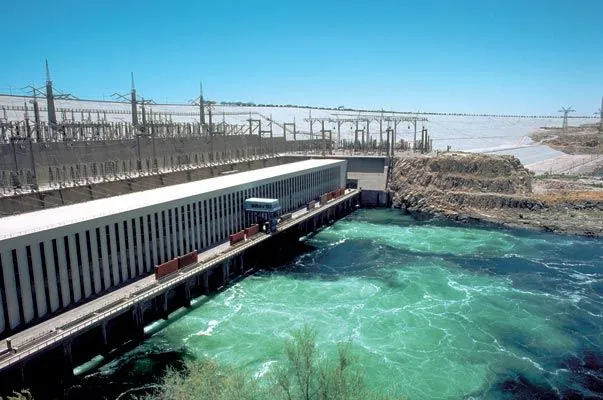
Construction began on 9 January 1960. The first stage included diversion channels and tunnels that allowed engineers to redirect the Nile while the main structure was built. In May 1964, the river was diverted and water began collecting behind the dam. The first electricity was generated in 1967, the main construction work was completed in 1970, and the official inauguration followed on 15 January 1971.
Egyptian engineers and workers built the project with extensive technical and financial support from the Soviet Union. The dam is a huge rock-fill structure rather than a solid wall of concrete. Its broad base, compacted stone, and impermeable core were designed to resist the enormous pressure of the reservoir.
Lake Nasser and the Benefits of the Dam
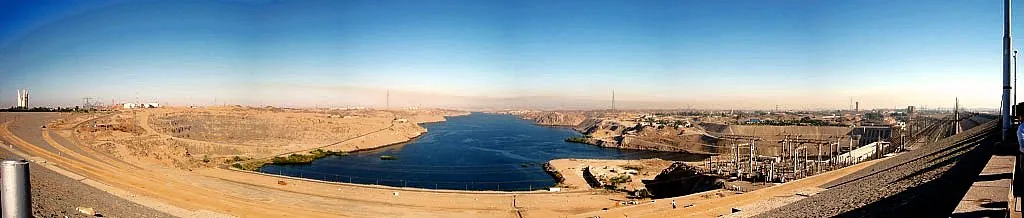
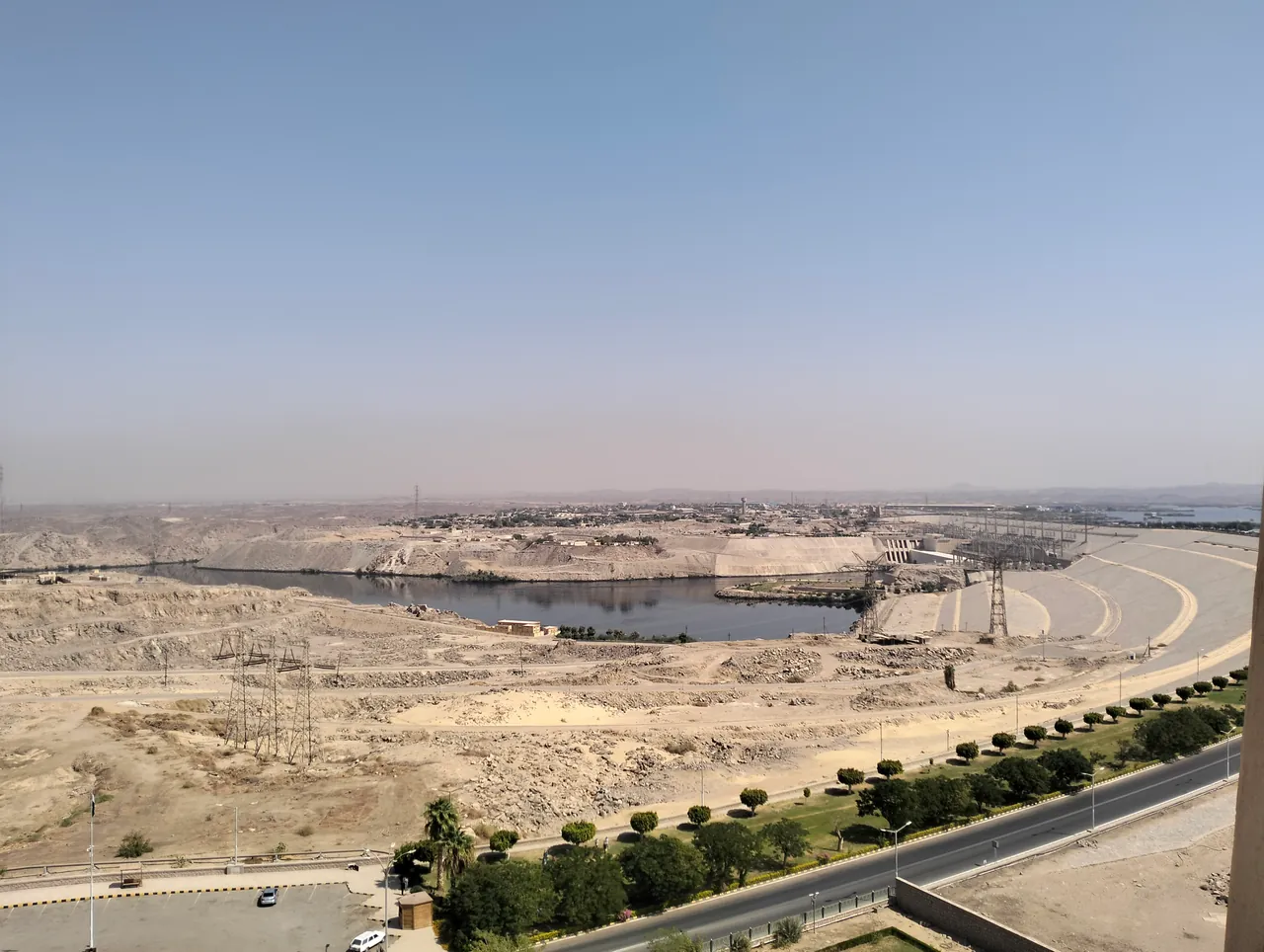
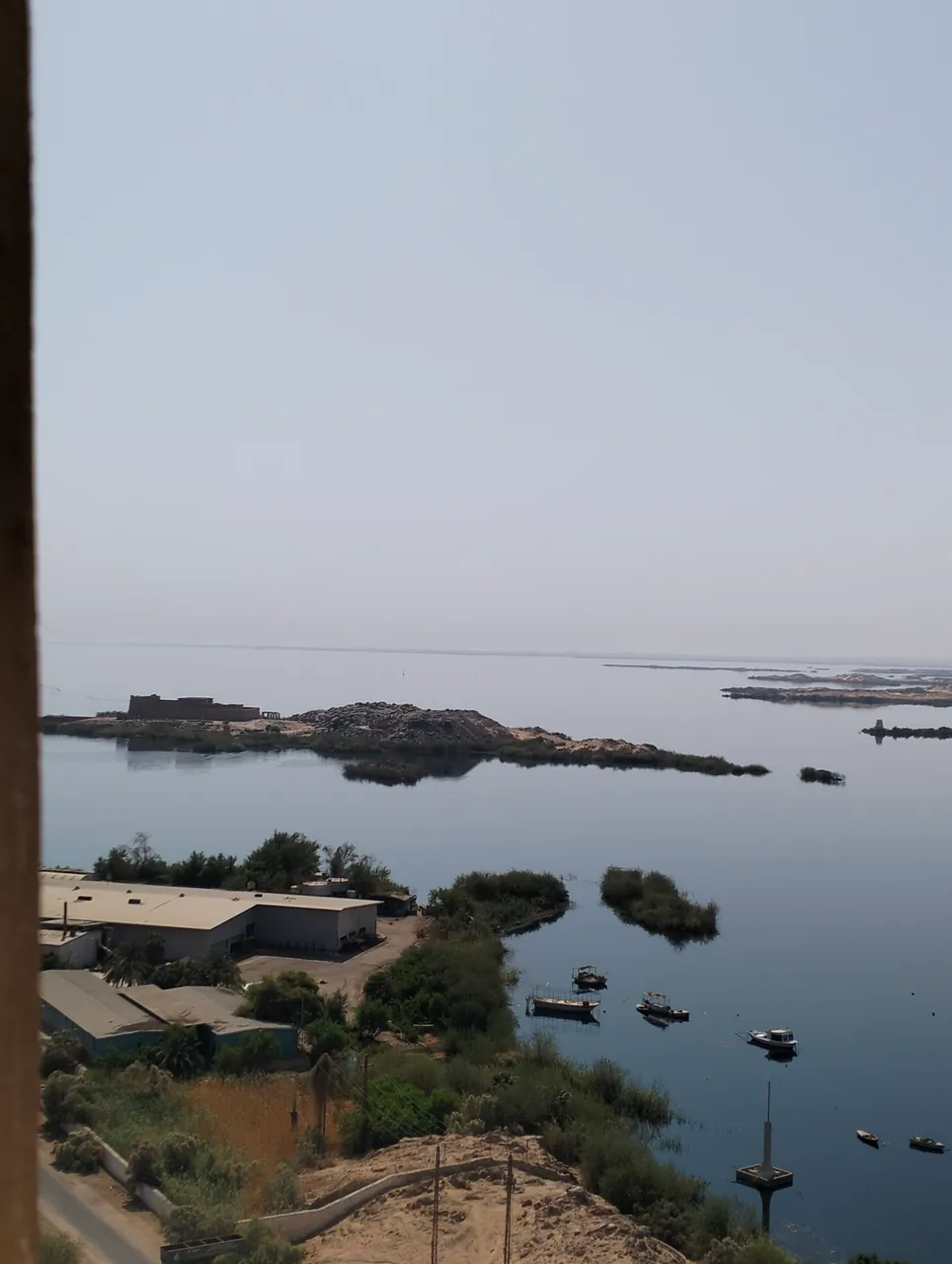
Water stored behind the dam formed Lake Nasser, one of the world’s largest human-made reservoirs. Its immense storage capacity gives Egypt greater control over water supplies during years of low Nile flow. The dam also protected the country during periods of severe flooding and helped support more dependable irrigation.
Hydroelectricity was another major benefit. When the power station began operating, it supplied a significant share of Egypt’s electricity and supported industrial and rural development. Its relative contribution has declined as the national energy system has grown, but the station remains an important part of the dam’s story.
The Human and Environmental Consequences
The benefits came with profound costs. The rising waters submerged much of historic Nubia and forced communities in Egypt and Sudan to leave villages, farmland, riverbanks, and ancestral landscapes. Nubian culture continues through language, music, architecture, family traditions, and community memory, but displacement remains an essential part of any honest account of the High Dam.
The dam also reduced the movement of nutrient-rich silt downstream, changed river and coastal ecosystems, and increased reliance on fertilisers in some agricultural areas. Evaporation from the large surface of Lake Nasser removes water from the system. The dam should therefore be understood as a major engineering achievement with complex social and environmental trade-offs.
Saving the Monuments of Nubia
As the reservoir began to rise, temples and archaeological sites across Nubia faced submersion. Egypt and Sudan requested international assistance, and UNESCO launched the International Campaign to Save the Monuments of Nubia in 1960. Archaeologists documented hundreds of sites, recovered objects, and moved major monuments to safer ground.
The temples of Abu Simbel were cut into large blocks and reconstructed above the future water level. Philae’s monuments were transferred to Agilkia Island, while Kalabsha and other temples were relocated near Aswan. This international campaign became a landmark in global heritage cooperation.
Continue the story through our guides to Abu Simbel Temples, Philae Temple, and Kalabsha Temple.
The Egyptian-Soviet Friendship Monument
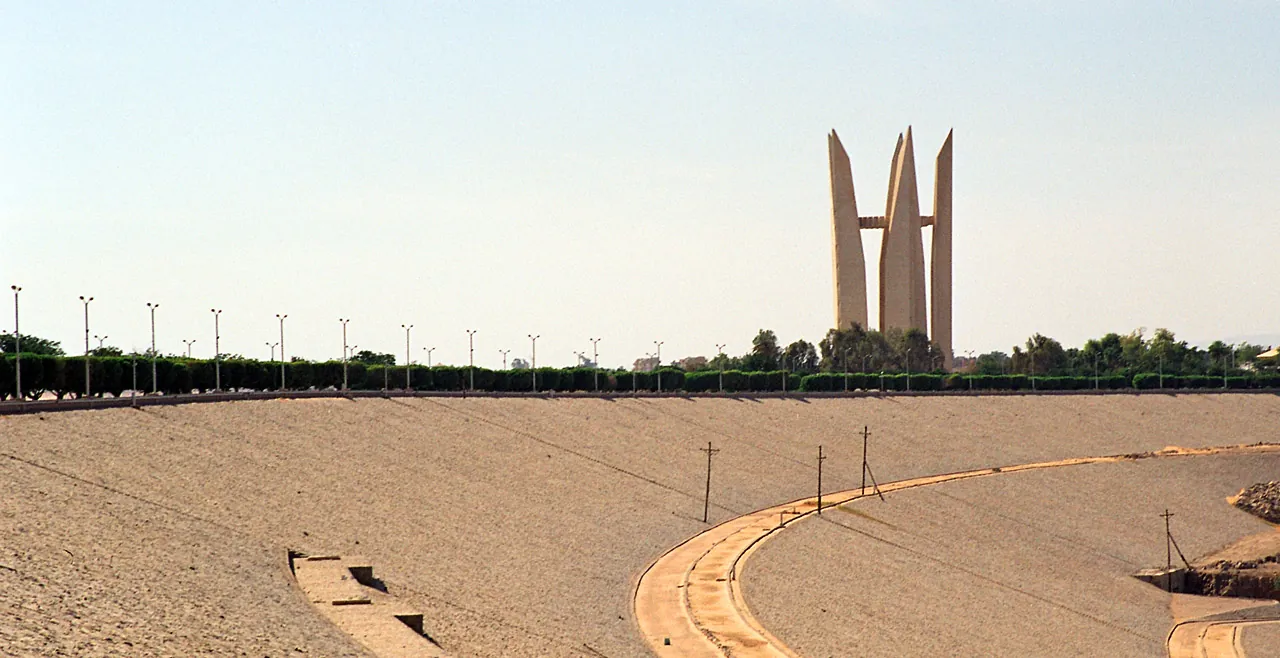
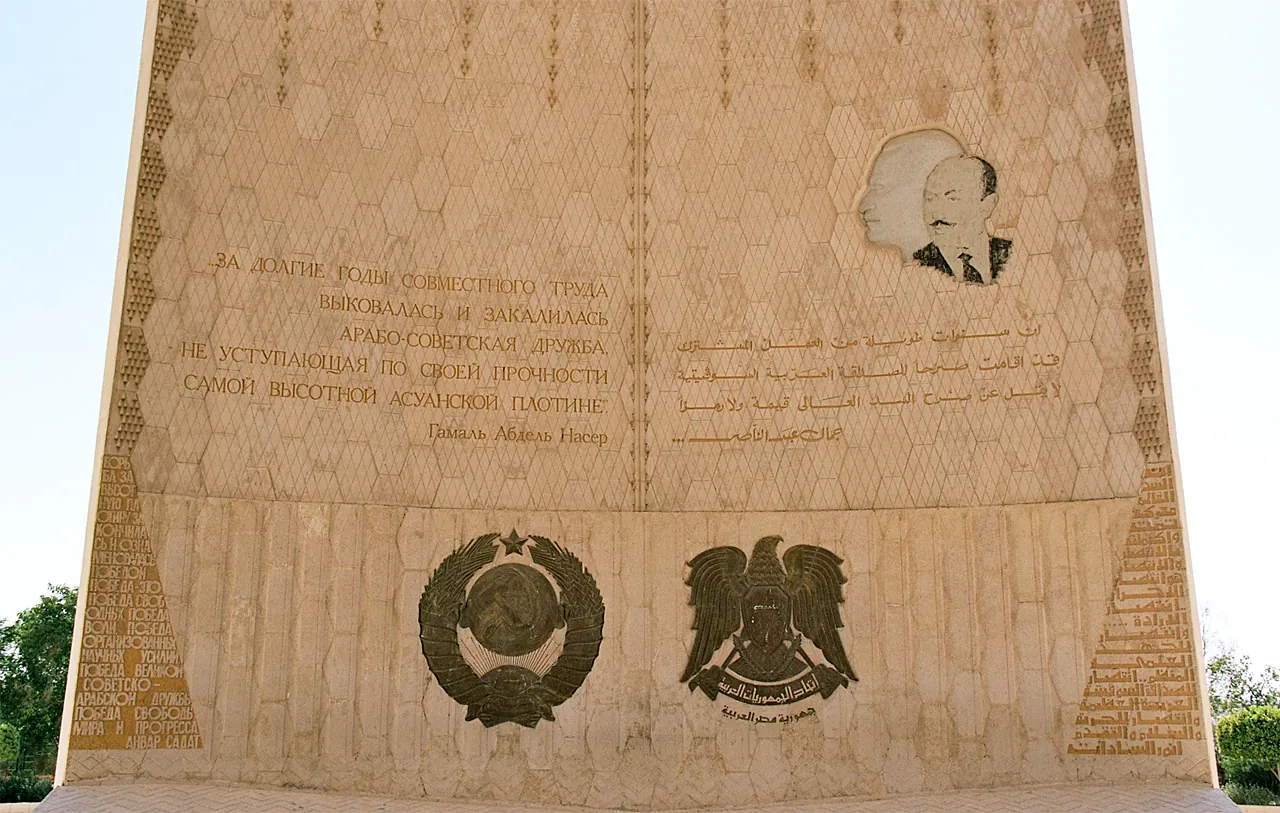
Near the dam stands the Egyptian-Soviet Friendship Monument, a lotus-shaped structure commemorating the cooperation behind the project. Its five soaring petals are inspired by the lotus flower, an enduring symbol in Egyptian art. The monument offers a different visual perspective on the political and human partnerships connected with the dam’s construction.
Understanding the Aswan High Dam from the Viewpoint
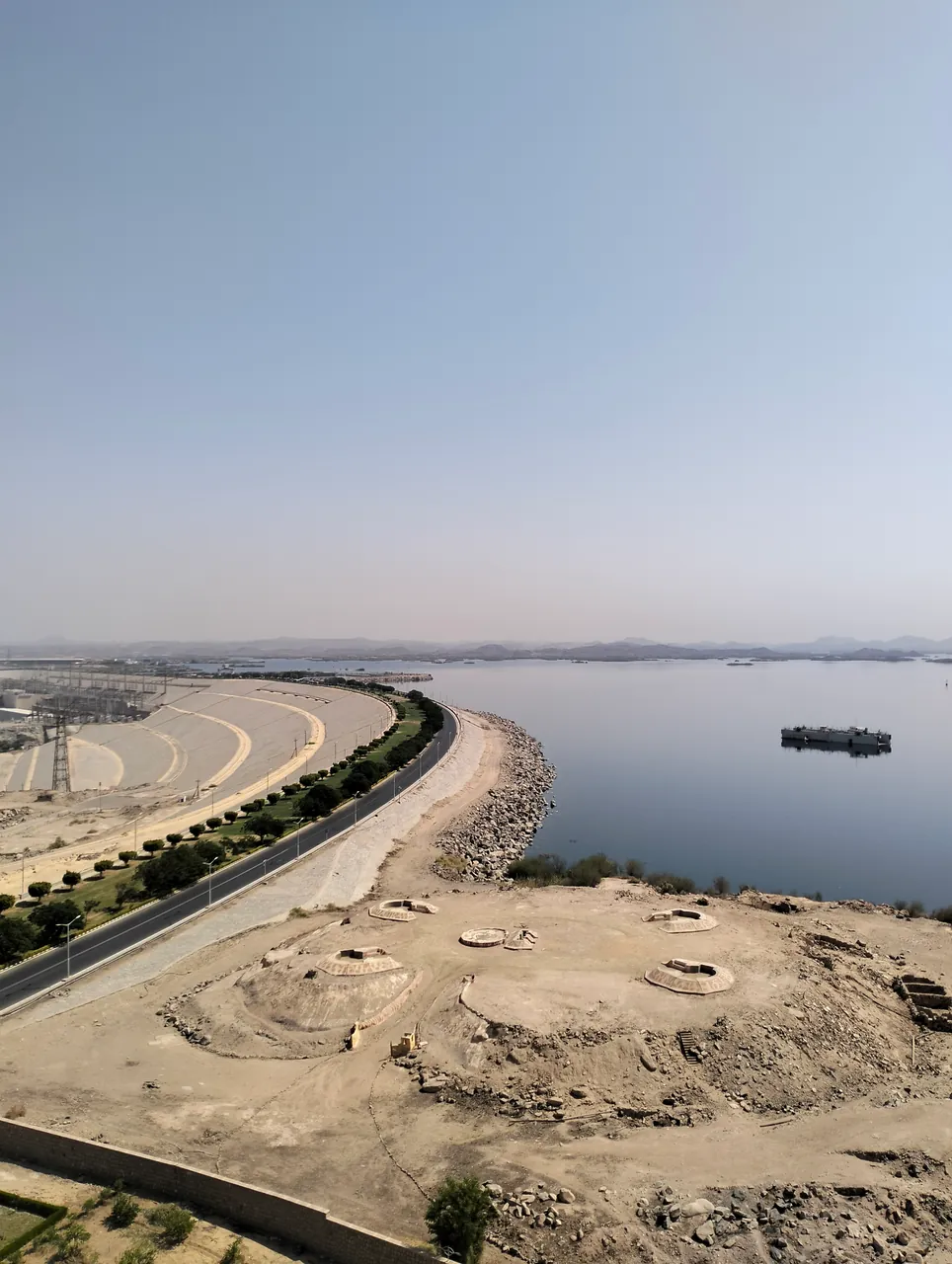
A first visit can be surprising because a rock-fill dam does not resemble the narrow concrete wall many travelers imagine. Much of its engineering is expressed through breadth, mass, and the relationship between water levels. The road and the distant shoreline provide useful points of reference, but the full structure cannot be understood from a single photograph. Ask your guide to distinguish the reservoir side, the downstream river, and the power-generation area before discussing dates or dimensions.
The landscape also helps explain the difference between storing water and allowing a river to flow freely. Lake Nasser is not simply a wider stretch of the Nile: it is the reservoir created by the barrier. Downstream releases are part of a managed system. This contrast is the central idea to take away from the viewpoint, even if technical details are not your main interest.
Visitor access should not be confused with an operational tour. Looking towards the power station does not mean that entry to turbine halls, control rooms, or other working installations is included. Remain within the designated visitor area and avoid planning your visit around access that has not been explicitly confirmed.
Flood Control, Irrigation, and Electricity Are Different Functions
Why storing water across years matters
The Nile’s historic flood varied from one year to another. A reservoir designed for long-term storage changes the planning problem: water retained in a wetter period can help support demand during a drier one. Storage is not the creation of new water, however. The amount entering the system, the water already held, losses, and downstream requirements all remain relevant. The dam gives managers a powerful tool, not freedom from every water constraint.
This distinction is useful when reading broad statements that the dam “solved” the Nile. The structure reduced exposure to particular flood and drought risks, but water management remains an ongoing responsibility. Agricultural demand, cities, environmental conditions, and the wider river basin are not fixed in time. An accurate visitor explanation separates the dam’s historical achievements from claims about current policy or future water security.
What hydroelectric generation means
Hydroelectric generation uses moving water to drive turbines connected to generators. The elevation difference and controlled passage of water make electricity production possible. The water itself is not consumed in the way fuel is burned in a thermal power station, although the reservoir has other water losses, including evaporation. Electricity generation is therefore one part of the same system that stores and releases water.
Avoid comparing electricity figures from different decades as if they describe today’s national energy mix. Egypt’s demand and generating capacity have grown since the High Dam first operated. A historical statement about its large early contribution can be true without being a current percentage. For a general visit, understanding that change is more useful than repeating a dramatic but undated statistic.
The Old Aswan Dam and the High Dam: Avoiding Confusion
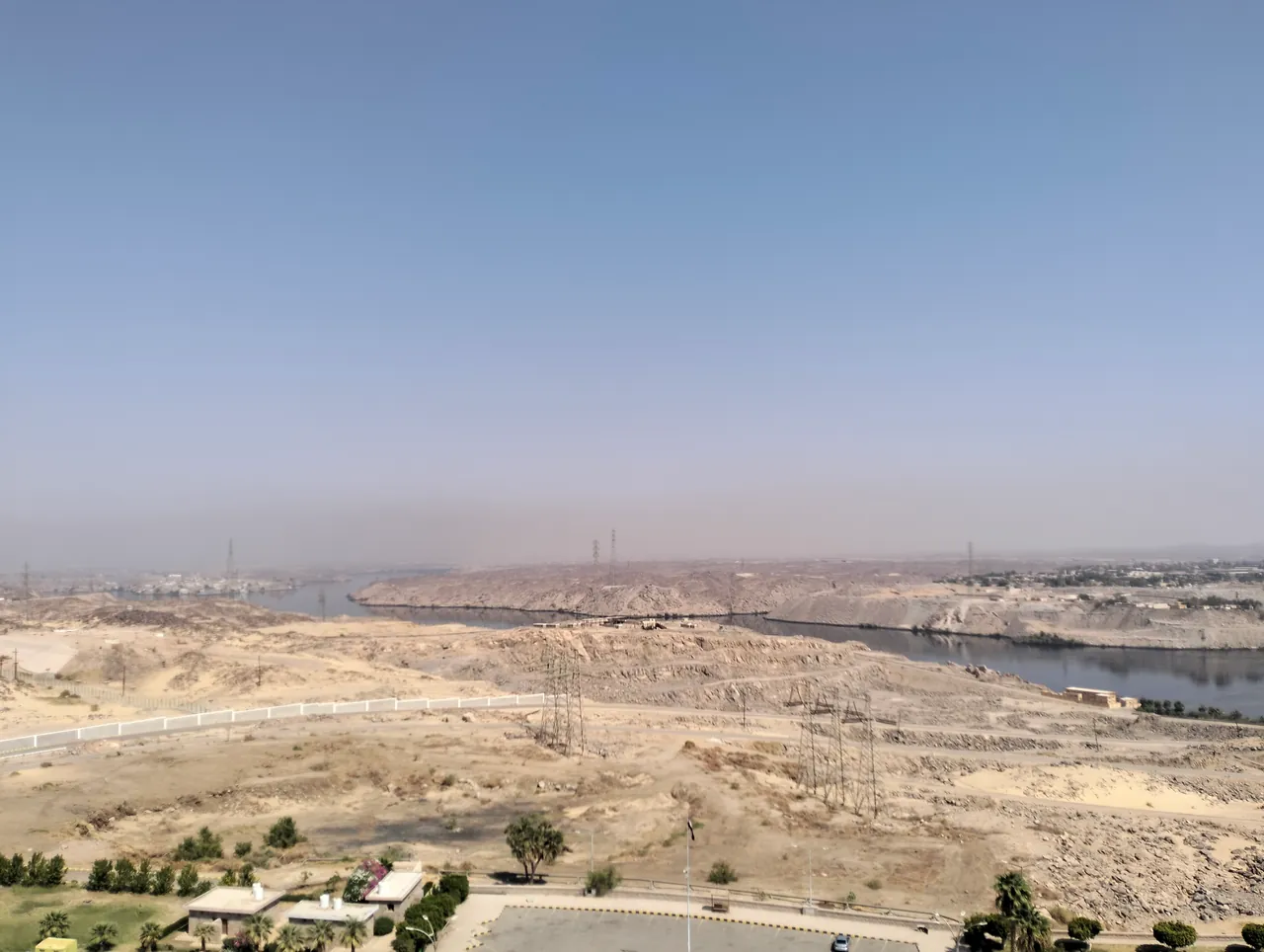
Aswan has two distinct dam structures, and excursions sometimes pass through a landscape shaped by both. The older dam is north of the High Dam. It belongs to an earlier phase of river regulation and should not be described as the 1960s project. When booking a driver or guide, name the Aswan High Dam viewpoint if that is the stop you want.
The distinction also matters for photographs and historical interpretation. An image of the old dam is not an image of the High Dam simply because both are in Aswan. Similarly, stories about changing water levels around Philae belong to a longer sequence of river engineering and heritage protection. Asking which structure a guide is discussing prevents several common misunderstandings.
Beyond the Rescued Temples: Remembering Nubian Landscapes
The famous relocated temples are only one part of the reservoir’s heritage story. A temple can be dismantled and reassembled, while the relationships between a village, its fields, burial places, paths, and riverbank cannot be transferred in the same way. A balanced visit makes room for that difference. The preservation of spectacular monuments should not imply that every cultural loss was repaired.
Nubian communities are living communities, not an illustration of a vanished past. If you later visit a village, a museum, or a family-run business, listen to how people choose to describe their own history. Do not assume that one person’s experience speaks for all communities in Egypt and Sudan. Language, migration, livelihoods, and family connections make the story richer than a single account of displacement.
Travelers can approach this respectfully without turning a short excursion into a political debate. Ask open questions, obtain permission before photographing people, and distinguish a host’s personal recollection from a general historical statement. Spending time with interpretation at the Nubian Museum can complement the engineering viewpoint and help place the visible lake within a human landscape.
Choosing a Meaningful Combination of Aswan Stops
An engineering-focused half day
Combine the High Dam with the Unfinished Obelisk if you are interested in how people worked with natural materials at very different moments in history. The quarry reveals an abandoned ancient operation; the dam is functioning modern infrastructure. Their methods and purposes are not the same, but both invite questions about material, planning, labor, and the limits of engineering. Allow transport time between them rather than treating the stops as adjoining sites.
A heritage-rescue route
Pair the dam with Philae Temple to connect the modern river landscape with a rescued monument. The temple visit requires its own admission and boat arrangements. Ask for these elements to be itemized when comparing excursion prices: a road transfer to the marina is not the same as a complete temple visit. Kalabsha provides another connection to the rescue campaign, but adding every nearby attraction can make the day hurried.
A slower visit with time for questions
If your interest is mainly photography, family travel, or an introduction to modern Egypt, a shorter list of stops may work better. Arrange a comfortable departure time, decide where to take a break, and leave a margin for checks and traffic. The aim is not to collect the greatest number of locations, but to understand why this particular structure changed the region.
Photography, Comfort, and Responsible Access
The reservoir, desert, river, and friendship monument offer very different subjects. Begin with the broad landscape, then concentrate on permitted architectural details. Keep descriptions precise: a photograph of the lotus monument illustrates the commemoration of cooperation, while a reservoir panorama illustrates the transformed river setting. Neither should be labeled as an interior view of the dam or power station.
Because this is working infrastructure, local instructions take priority over a travel guide or an older visitor’s experience. Ask before using specialist equipment and never assume that drones or professional shoots are permitted. If photography is restricted in a particular direction, enjoy the viewpoint without trying to evade the rule.
Shade may be limited, and even a short exposed stop can feel demanding in Aswan’s heat. Keep drinking water accessible, consider the needs of children and older travelers, and ask about the distance between the vehicle and the permitted viewpoint if mobility is a concern. A late departure should only be chosen after confirming that admission will still be possible.
Visiting the Aswan High Dam
Most visits focus on the main viewpoint, where a guide can explain the dam’s structure, Lake Nasser, and the power station. The stop is often combined with Philae Temple, the Unfinished Obelisk, or the Nubian Museum to create a fuller picture of ancient and modern Aswan.
- Best time: Early morning or late afternoon offers softer light and more comfortable temperatures.
- Suggested visit: Allow about 45–60 minutes at the viewpoint, plus transport time.
- What to bring: Water, sun protection, and comfortable footwear.
- Photography: Follow all posted instructions because the dam is strategic infrastructure.
- Access: Entrance rules, local fees, and photography restrictions can change, so confirm them shortly before visiting.
How to Include the High Dam in an Aswan Itinerary
A half-day road itinerary can combine the High Dam with the Unfinished Obelisk and a boat connection to Philae Temple. Travelers interested in Nubian history should also visit the Nubian Museum, where objects and interpretation provide deeper context for the communities and heritage affected by the reservoir.
For a balanced day, avoid adding too many distant attractions. Leave time for transport, security checks, ticketing, and a guide’s explanation. Atum Trip can arrange a private itinerary built around your arrival time, interests, and preferred pace.
Sources and Further Reading
Key dates and technical context are documented by the Ministry of Water Resources and Irrigation and the Egypt State Information Service. Information about the Nubian rescue campaign is available through the UNESCO World Heritage Centre.
Tickets, Booking, and Opening Hours
The High Dam is active infrastructure, so visitor admission should be confirmed separately from the operating hours of nearby temples. Before departure, ask your local operator or the visitor entrance about current opening and closing times, last admission, ticket categories, payment arrangements, and any restrictions for your date. Do not rely on a fixed timetable copied from an older itinerary.
If booking a private excursion, request a written breakdown showing whether the High Dam admission, vehicle, guide, and any separate monument or boat charges are included. An excursion price is not the same as the entrance fee. No verified current official admission tariff is quoted here; confirm the amount before paying and retain the admission ticket.
The Egypt State Information Service overview provides background on the project, but it should not be treated as a live ticketing or security notice. Access rules and photography permissions can change independently of the general information in this guide.
Frequently Asked Questions About the Aswan High Dam
When was the Aswan High Dam built?
Construction began in 1960. The main structure was completed in 1970, and the dam was formally inaugurated in January 1971.
Why is the High Dam important?
It provides long-term water storage, helps protect Egypt from extreme floods and drought periods, regulates irrigation water, and generates hydroelectric power.
What lake was created by the High Dam?
The reservoir is called Lake Nasser in Egypt. It continues across the border into Sudan, where it is known as Lake Nubia.
Is the High Dam the same as the Old Aswan Dam?
No. The Old Aswan Dam, also called the Aswan Low Dam, was completed in 1902 and later raised. The High Dam is the much larger twentieth-century structure farther south.
Did the dam affect Nubian communities?
Yes. The reservoir submerged historic Nubian lands and required the relocation of communities in both Egypt and Sudan. This displacement is central to the modern history of Nubia.
How were Abu Simbel and Philae saved?
During the UNESCO-led Nubian rescue campaign, Abu Simbel was dismantled and reconstructed on higher ground, while the monuments of Philae were moved to Agilkia Island.
How long should visitors spend at the High Dam?
Most visitors spend 45–60 minutes at the viewpoint. Allow additional time for transport and for nearby attractions included in the same itinerary.
Can visitors take photographs?
Photography is usually possible from visitor areas, but restrictions may apply because the dam remains strategic infrastructure. Always follow current signs and staff instructions.
to discover the treasures of ancient Egyptian kingdoms through time.

Read more in the Atum Trip blogs:
- Esna Temple: Khnum, the Creator God, and Elephantine
- Airport Taxi Transfer Service Booking Guide 2026: Travel Comfortably and Arrive on Time
- Things to Do in Aswan: Complete Travel Guide 2026
- Edfu Temple: An Unforgettable Walk Through the House of Horus 2026
- The greatness of Ancient Egyptian Medicine: Its Remarkable Development, Surgery, and Medical Papyri
- Kalabsha Temple: The Hidden Nubian Treasure of Aswan You Must Discover 2026
- Elephantine Island: A Mesmerizing Journey Through Living History in Aswan 2026
- Explore Qubbet el-Hawa / Dome of the Winds: A Rare Ancient Site Off the Beaten 2026
- The unique Kom Ombo Temple – Horus and Sobek
- Philae Temple
- Abu Simbel Temples: Complete Visitor Guide (2026)
- Who is Atum according to the ancient Egyptians?