
Airport Taxi Transfer Service

Guía para reservar un servicio de taxi y traslado desde el aeropuerto 2026: viaja cómodamente y llega a tiempo

Are you planning your next trip and worrying about reaching the airport on time? Or perhaps you are imagining the end of a long flight, when all you want is a clean, comfortable car waiting outside instead of a stressful search for a taxi.

Booking an airport taxi transfer service in advance is one of the simplest ways to make the beginning and end of a journey feel calm and organized. It gives you a confirmed pickup plan, a vehicle suited to your group and luggage, a clear price, and a direct contact before you travel.

A professional airport taxi transfer service is more than a car moving between two places. It involves checking your flight details, coordinating the pickup time, choosing the right vehicle, agreeing on the destination, and staying prepared if the flight schedule changes.

This guide explains how to book the right service, what information to provide, and how Atum Trip helps travelers arrange comfortable airport pickups and drop-offs with punctual service and transparent pricing.

What Is an Airport
Taxi Transfer Service?

An airport taxi transfer service is prearranged private transportation between an airport and a hotel, home, Nile cruise, business address, or another agreed destination. It normally covers one of two journeys:

  • Airport pickup: A driver meets you after arrival
    and takes you directly to your destination.
  • Airport drop-off: A vehicle collects you from your
    accommodation or another location and takes you to the airport before
    departure.

You can also arrange a round-trip transfer, confirming both your arrival and departure transport with the same provider.

Unlike searching for a taxi after landing, a pre-booked airport taxi is organized around details supplied in advance. Your provider knows the flight number, travel date, destination, passenger count, luggage requirements, and contact number. You also know the agreed price and how to communicate when you arrive.

Pre-booked
airport taxi or a taxi from the rank?

A taxi found after arrival may be suitable for a spontaneous journey, but the vehicle, luggage capacity, waiting time, and fare may not be confirmed before you meet the driver.

A pre-booked airport taxi transfer provides a planned pickup, an agreed vehicle category, direct communication, flight monitoring, and a fixed quotation. This makes it particularly useful for families, late-night arrivals, early departures, and first-time visitors.

Why Should
You Book Your Airport Taxi Transfer Service  in Advance?

Avoid
searching for transport after a tiring flight

Passport control, baggage collection, and airport formalities can feel exhausting after several hours in the air. When transportation has already been arranged, you do not need to compare unfamiliar options or negotiate a fare while carrying your luggage.

Know the price before you
viajes

Unclear pricing creates unnecessary anxiety, particularly when you are visiting a destination for the first time. A reliable provider gives you a fixed, transparent price before confirmation and explains what the price covers.

Reserve
a vehicle that fits your passengers and luggage

A sedan may be comfortable for one or two travelers but unsuitable for a family with several large bags. Sharing accurate passenger and luggage information allows the provider to arrange an appropriate car or air-conditioned van.

Reduce the risk of a
late airport arrival

For a departure transfer, the scheduled flight time is only one part of the calculation. You must also allow for the road journey, airline check-in, security procedures, possible traffic, and a reasonable safety margin. Advance coordination makes it easier to select a sensible pickup time.

What
Makes a Professional Airport Taxi Transfer Service Different?

Absolute commitment to
punctuality

Timing is fundamental to every airport taxi transfer service. For an arrival, the vehicle should be prepared according to the flight information. For a departure, the pickup should leave enough time for the traveler to complete airport procedures without rushing.

At Atum Trip, punctuality begins before the vehicle moves. We review the flight time, pickup point, destination, passenger details, and planned route. The arrangements are confirmed with the guest so that both sides understand the meeting time and location.

Comfort, cleanliness, and
peace of mind

Comfort begins with knowing who will meet you and how to contact the team. Atum Trip coordinates every airport taxi transfer service using modern, clean, air-conditioned vehicles. The cars are cleaned and sanitized to provide a pleasant environment, while the vehicle category is selected according to the agreed number of travelers and the amount of luggage.

If you are traveling with young children, elderly guests, a wheelchair, a stroller, or unusual baggage, mention it during booking. Advance notice gives the team time to confirm whether the necessary arrangement is available.

Private transfer cars at Aswan Airport for an airport taxi transfer service
Atum Trip private transfer cars ready at Aswan Airport.

Flight tracking using
your flight number

Aircraft can land earlier or later than scheduled. For this reason, your flight number is an essential part of an airport taxi transfer service booking. It allows the team to monitor the available flight status and coordinate the expected pickup time rather than relying only on the original timetable.

Flight monitoring works best together with direct communication. Keep your phone connected after landing when possible, and inform the team if the airline changes the flight number, route, or arrival airport.

Fixed and transparent prices

You should understand the price and the service before confirming an airport taxi transfer service. Atum Trip provides a clear price based on the journey details supplied during booking, without unexpected charges at the end of the agreed route.

Transparency also means explaining the scope of the booking: the pickup point, destination, vehicle category, passenger and luggage allowance, and whether the service is one-way or round-trip.

If the guest later requests a substantial change—such as a different destination or an additional stop—any effect on the price should be explained before the change is carried out whenever possible.

How
to Book an Airport Taxi Transfer Service Step by Step

Step 1: Choose the type of
transfer

Decide whether you need an airport pickup, an airport drop-off, or both. State the airport, city, pickup point, and final destination clearly.

If your journey begins or ends in Aswan, consult the Egyptian Ministry of Civil Aviation’s official Aswan International Airport page for airport information, then share your flight details when booking your airport taxi transfer service.

Step 2: Send your
flight and travel details

For an arrival pickup, the provider will normally need:

  • Arrival date
  • Flight number
  • Scheduled arrival time
  • Lead passenger’s name
  • Number of adults and children
  • Number of large bags and any special luggage
  • Hotel, Nile cruise, home, or final destination
  • A working WhatsApp number

For an airport drop-off, send the departure date and time, flight number, pickup address, passenger count, luggage information, and the time you would like to reach the terminal. The transfer team can help you estimate a suitable collection time, but you should always follow the airline’s official check-in instructions.

Step 3: Select the right
vehicle

Do not calculate vehicle size by seats alone. Luggage occupies significant space. A sedan can be an efficient choice for solo travelers, couples, or small parties with limited baggage. A van offers more space for families, groups, and passengers traveling with several suitcases.
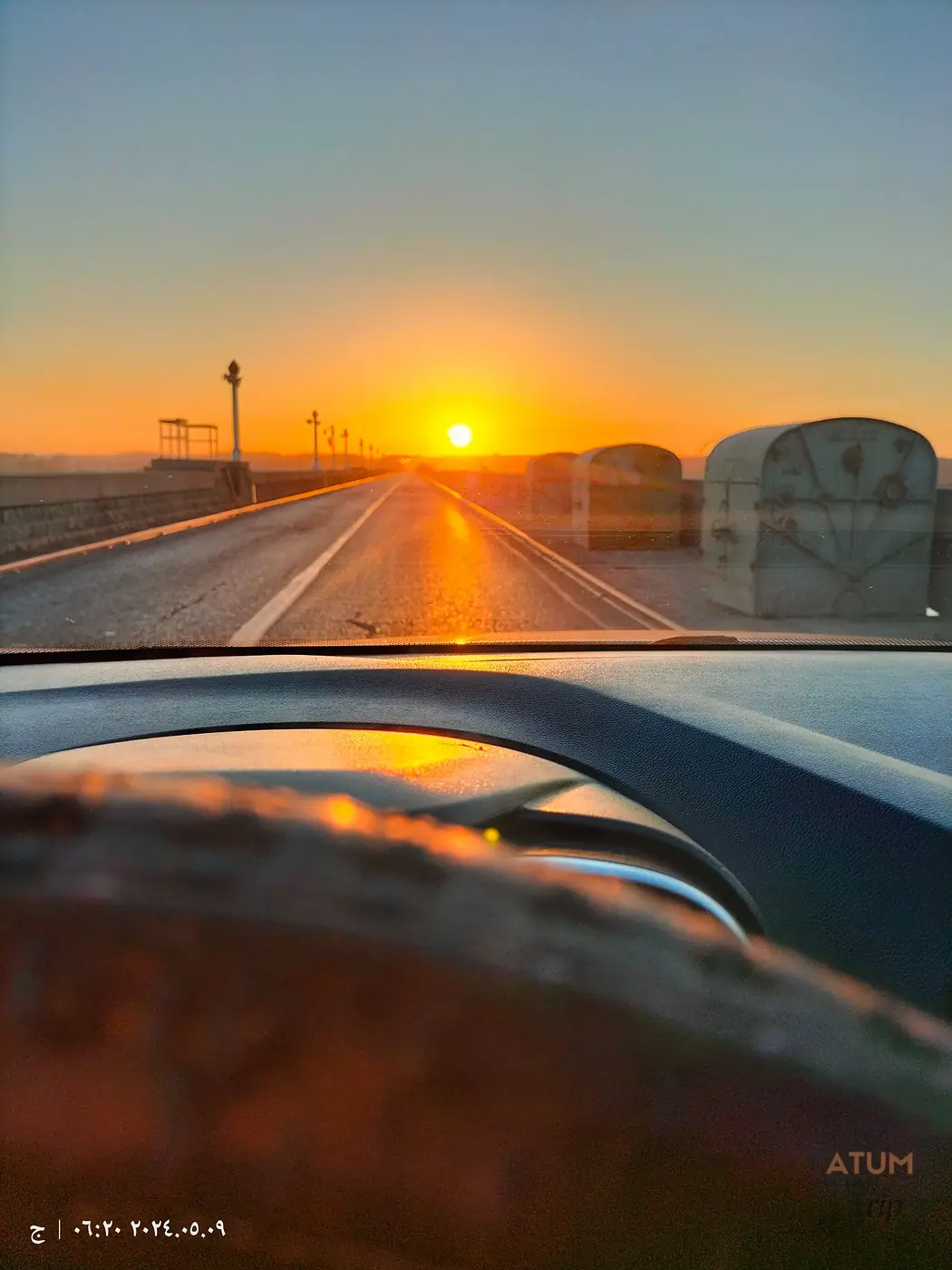
Private transfer road at sunset in Aswan
A private transfer journey on the road near Aswan at sunset.

Step 4: Review the
complete arrangement

Before you confirm, check:

  • Pickup date, time, and exact location
  • Final destination
  • Vehicle type or category
  • Passenger and luggage numbers
  • Agreed price and inclusions
  • Contact and meeting instructions

Step 5: Keep the
confirmation message

Save the booking confirmation and contact number on your phone. If your flight, hotel, passenger count, or luggage changes, send the update as early as possible so the arrangements can be reviewed before the service.

Airport Pickup:
What Happens When You Arrive?

After landing, you will normally complete passport procedures and collect your baggage before reaching the meeting point. A dependable airport taxi transfer service uses flight tracking to help the transfer team prepare for the aircraft’s arrival, but the time required to leave the terminal can vary because of immigration, baggage delivery, or airport procedures.

Your confirmation message should explain how to meet or contact the driver. If you cannot find the driver immediately, do not move to a different terminal area without communicating. Send a WhatsApp message or call the confirmed number and describe the terminal, exit, or nearby sign.

Once you meet, your luggage is placed in the vehicle and the private journey begins toward the agreed destination. If you are traveling to a Nile cruise or a property with several entrances, provide the complete name and an accurate map location in advance.

Airport Drop-Off:
How Can You Avoid Being Late?

An airport taxi transfer service for departure should be planned before the vehicle arrives.

Check how early your airline requires you to be at the airport, then add the road travel time and a sensible margin for unexpected conditions. International flights often require more time than domestic journeys, but the airline and airport instructions are always the final reference.

Prepare your luggage and documents before pickup. If you are leaving a hotel, complete checkout in good time. If the vehicle will collect you from a Nile cruise, island meeting point, or location with restricted road access, coordinate the exact meeting place beforehand.

Notify the team immediately if the airline changes your departure. Flight monitoring is useful, but your direct update is particularly important when a flight receives a new number or the entire itinerary changes.

Common Airport Taxi Transfer service
Booking Mistakes

Sending the wrong flight
time

Travelers sometimes send the departure time instead of the arrival time, or overlook that a flight landing shortly after midnight arrives on the following calendar date. Send the complete itinerary and double-check the date, time, and flight number.

Forgetting to mention
luggage

A car may have enough seats but insufficient luggage space. Mention large suitcases, strollers, wheelchairs, sports equipment, or other unusual items before the vehicle is confirmed.

Leaving the booking
until the last minute

Short-notice airport taxi transfer service requests may sometimes be possible, but early booking provides more time to check the information and reserve the most suitable vehicle, especially during busy periods.

However, we accept bookings for last-minute Airport Taxi Transfer Service (subject to availability).

Choosing only by the lowest
price

When comparing an airport taxi transfer service, price matters, but it should be considered together with punctuality, vehicle condition, communication, clarity of inclusions, and whether the journey is private or shared. An unclear low quote can become inconvenient or more expensive later.

Not reporting changes

A different hotel, flight number, destination, group size, or luggage quantity may affect the plan. The earlier you communicate a change, the easier it is to adjust the service.

Why Choose Atum
Trip for Your Airport Taxi Transfer Service ?

Atum Trip is a local transportation agency in Aswan specializing in organizing private transportation services to and from the airport, as well as select transportation services throughout Aswan and Upper Egypt.

Our goal is to keep every journey clear from the first message until arrival.

Our airport taxi transfer service includes the following advantages:

  • Careful scheduling and commitment to punctual pickup
  • Modern, clean, sanitized, air-conditioned vehicles
  • Flight monitoring using the flight number supplied by the guest
  • Fixed and transparent prices agreed before the service
  • Sedan and van options according to passengers and luggage
  • Simple WhatsApp communication for confirmation and updates
  • Local coordination for destinations across Aswan and selected Upper
    Egypt routes

Visit our Aswan Airport Taxi Transfer service page to review the pickup and drop-off service, then send your flight details to receive an appropriate quotation.

Ready to arrange your ride? Send your flight number,
travel date, destination, passenger count, and luggage details through
WhatsApp. We will help you coordinate a comfortable and clearly priced
transfer.

Planning Your Stay in Aswan?

Your travel planning does not have to end at the airport. Aswan moves at a distinctive rhythm shaped by the Nile, islands, temples, markets, desert landscapes, and Nubian culture. Choosing what to see before arrival helps you use your time more comfortably.

Read our detailed guide to the best things to do in Aswan. It introduces important temples, islands, the Nubian Museum, Nubian villages, nature experiences, and practical ideas for different interests. Combining your airport taxi transfer service with advance activity planning can prevent last-minute decisions and create a smoother stay.

Explore Other Private
Transfer Services

If your journey continues beyond the airport, explore these Atum Trip transport services:

Also Read Our Other Blog
Posts

You can also browse all Atum Trip blog posts for the latest published guides.

Frequently
Asked Questions About Airport Taxi Transfer Service

When should
I book an airport taxi transfer service?

Book as soon as your flight and accommodation are confirmed, particularly during busy periods or when you require a van. Early booking allows time to review the details and select the appropriate vehicle.

What happens if my flight
is delayed?

When you provide your flight number, Atum Trip monitors the available flight status and coordinates the expected pickup time. Contact the team if the airline changes the flight number, route, or arrival airport.

Is the airport taxi
transfer price fixed?

Yes. The price is agreed before confirmation according to the journey, vehicle, passenger count, luggage, and details provided. A substantial later change, such as a new destination or additional stop, is reviewed separately.

What
information is required for an airport pickup?

Provide the lead passenger’s name, flight number, arrival date and time, passenger count, luggage quantity, destination, and a working WhatsApp number.

Can I book a
transfer for a family or group?

Yes. Sedan and van options can be arranged according to group size and baggage. Mention children, large luggage, and any special requirements before confirmation.

Does Atum
Trip provide drop-offs to Aswan Airport?

Yes. Atum Trip’s airport taxi transfer service can coordinate pickup from a hotel, home, Nile cruise meeting point, or another agreed location and provide a private drop-off at Aswan Airport.

Can I book
arrival and departure transfers together?

Yes. You can arrange both directions in one booking by providing the details of the arrival and departure flights, accommodation, passengers, and luggage.

How will I
recognize the driver at the airport?

The meeting method is explained in the confirmation message. Depending on the arrangement, it may include WhatsApp contact or a sign displaying the passenger’s name. Keep your phone connected after landing whenever possible.

Begin and End
Your Journey with Peace of Mind

The best airport taxi transfer service removes uncertainty before the travel day. It gives you a clear pickup time, an appropriate vehicle, straightforward communication, flight monitoring, and a fixed price.

With Atum Trip, you can arrange a private transfer to or from Aswan Airport with punctual coordination, modern and comfortable vehicles, flight tracking, and transparent pricing. Send your flight details, passenger and luggage numbers, and destination, and let us help you begin and end your journey calmly.

Aswan

Qué hacer en Asuán: guía de viaje completa 2026

As the train or plane brings you south toward Aswan, Egypt begins to
feel different. The Nile narrows between smooth granite rocks, small
islands break the current, and the desert rises almost directly from the
water. White felucca sails move slowly between palms. On the western
bank, golden dunes stand behind villages painted in vivid blues,
yellows, and pinks. The pace feels calmer than Cairo and gentler than
the busiest parts of Luxor, yet the city is surrounded by thousands of
years of history.

That combination is what makes the list of things to do in
Aswan
so much richer than many first-time visitors expect. You
can enter an island temple by boat in the morning, study the story of
Nubia in a beautifully designed museum after lunch, paddle a kayak
through quiet channels at sunset, and listen to the souq come alive in
the evening. With more time, Aswan becomes the base for Abu Simbel,
Kalabsha, Kom Ombo, birdwatching, fishing, desert walks, and encounters
with living Nubian culture.

This guide is written for travelers who are still planning. It
explains what each place feels like, why it matters, how much time to
allow, and which experiences work well together. You do not need to do
everything. The best Aswan itinerary is not the one with the greatest
number of stops; it is the one that leaves enough space for the Nile,
the landscape, and the people to become part of the journey.

Why Aswan Deserves
More Than a Quick Stop

Some itineraries treat Aswan only as the departure point for Abu
Simbel or a Nile cruise. That misses the character of the city itself.
Ancient Egyptians knew the area as Egypt’s southern frontier, a place
connected with granite quarries, river trade, military routes, and the
worship of deities including Khnum, Satet, and Anuket. Later generations
added churches, monasteries, Islamic monuments, colonial-era buildings,
dams, museums, markets, and modern neighborhoods.

Aswan is also a meeting place between Egypt and Nubia. Nubian history
cannot be reduced to colorful houses or a short village visit. It
includes ancient kingdoms, languages, religious traditions, trade
networks, music, architecture, family memory, and the displacement
caused by the creation of Lake Nasser. Travelers who make time for the
Nubian Museum and listen respectfully during community visits gain a far
deeper understanding of southern Egypt.

The natural setting matters just as much. Granite islands create
sheltered channels where birds feed and small boats move away from the
main traffic. The western desert gives the city its warm evening light.
In the cooler season, the river can feel like an open-air living room:
fishermen checking nets, ferries carrying residents, children returning
from school, and feluccas adjusting their sails to the wind.

For most visitors, two or three days in Aswan provide a satisfying
introduction. Four days allow the city to breathe and make room for Abu
Simbel or a slower nature experience.

1. Arrive at Philae Temple by
Boat

Templo de Filae is often the first answer to the question of what to do
in Aswan, and for good reason. The visit begins before you enter the
monument. From the marina, a motorboat crosses the water toward Agilkia
Island. Stone pylons appear above the shoreline, framed by blue water
and granite hills. The approach creates a sense of separation from the
modern city and prepares you for the sacred space ahead.

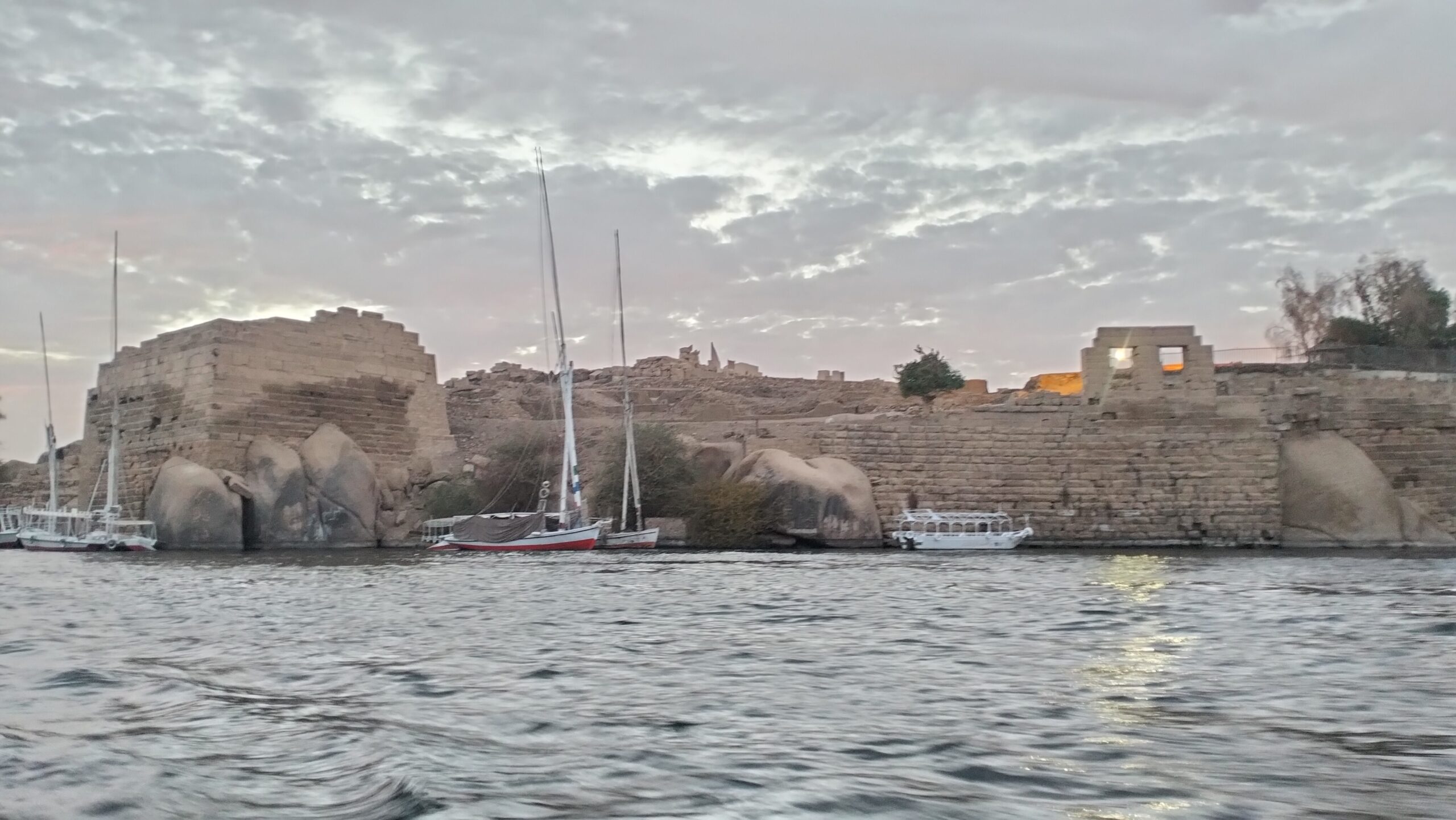
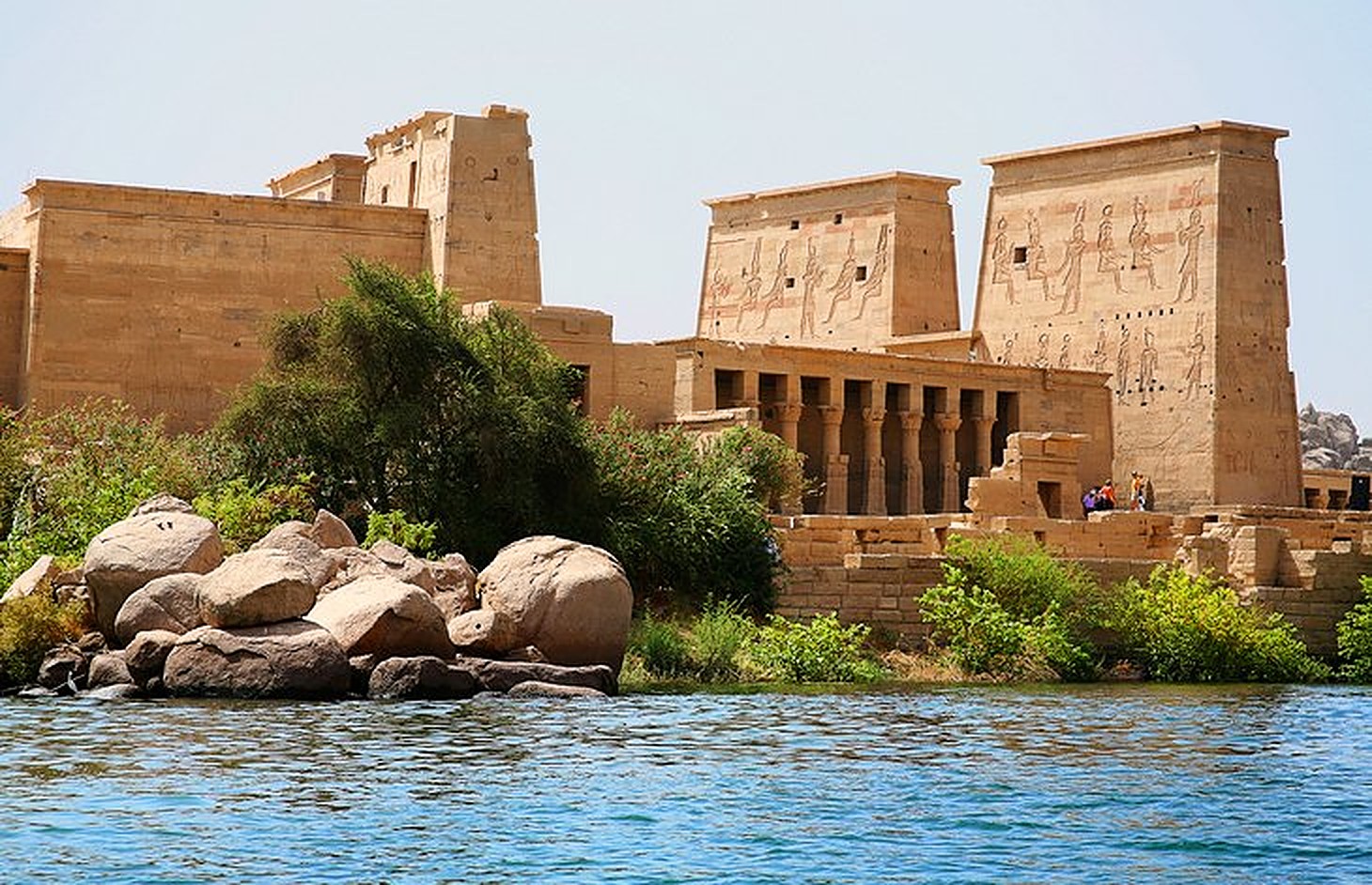
Philae Temple on Agilkia Island in Aswan
Templo de Filae is reached by boat across the Nile near Aswan.

The complex is best known for the Temple of Isis, developed over
several centuries and especially important during the Ptolemaic and
Roman periods. Isis was associated with motherhood, protection, healing,
royal legitimacy, and the story of Osiris and Horus. As you pass through
the first pylon, the space opens into courtyards, colonnades, chambers,
relief-covered walls, and quieter areas where later religious
communities also left traces.

Philae has another extraordinary history. When rising water
threatened Nubian monuments in the twentieth century, an international
campaign dismantled and reconstructed the complex on higher ground at
Agilkia. The move preserved the major buildings while changing their
physical setting. Knowing this does not weaken the experience; it makes
the island a powerful place to think about archaeology, engineering,
cultural memory, and the cost of large development projects.

Allow around two to three hours for the complete experience,
including the boat journey. Early morning offers cooler temperatures and
softer light. A late-afternoon visit can be beautiful, but opening times
and the Sound and Light schedule change, so confirm current details
shortly before going.

If you prefer simple logistics, an Aswan
to Philae Temple private transfer
can combine an
air-conditioned car or van with the private return boat to Agilkia
Island. This is particularly useful for families, small groups, or
travelers who want to control their departure time.

2. Understand
Nubian History at the Nubian Museum

The Nubian Museum is not an optional rainy-day attraction. It is one
of the most important places to visit in Aswan because it gives context
to almost everything around you. Its displays trace Nubian life from
prehistory through ancient kingdoms, Pharaonic and Greco-Roman
connections, Christian and Islamic periods, and the modern
transformation of the region.

The museum’s architecture and landscaped grounds draw on the granite,
water, village forms, and desert landscape of Nubia. Inside, sculptures,
pottery, jewelry, tools, textiles, inscriptions, photographs, and
reconstructed scenes help visitors understand both archaeology and daily
life. One of the most moving parts of the story concerns the communities
relocated when the Aswan High Dam and Lake Nasser changed the valley.
The rescue of temples is famous; the human experience of displacement
deserves equal attention.

Plan at least 90 minutes, and closer to two hours if you enjoy
museums. It pairs well with the Unfinished Obelisk because both lie on
the eastern side of the city and reveal different aspects of Aswan’s
identity. Check the official Egyptian monuments platform for current
opening hours and tickets, as schedules can change.

3.
Walk Through an Ancient Quarry at the Unfinished Obelisk

At first glance, the Unfinished Obelisk may look like a single
abandoned block of stone. In reality, the quarry is one of the clearest
windows into ancient Egyptian engineering. The enormous obelisk remains
attached to the bedrock because cracks appeared during its creation. Its
unfinished state allows you to see the channels, working surfaces, and
sequence of extraction that a completed monument would hide.

Aswan’s pink and red granite traveled throughout Egypt. Statues,
sarcophagi, columns, shrines, and obelisks were cut here and transported
north. Standing above the unfinished stone encourages practical
questions: How did workers separate such a mass from the quarry? How was
it shaped? How would it have been moved to the river? Archaeologists
continue to study these processes, and simple explanations involving one
magical technique should be treated cautiously.

The site is exposed, with uneven granite underfoot and limited shade.
Visit in the morning, wear shoes with a good grip, and bring water.
Forty-five minutes to an hour is usually enough, but anyone interested
in stoneworking may want longer.

4. Cross to
Elephantine Island and Slow Down

Elephantine Island sits in the Nile opposite central Aswan, yet
crossing by local ferry can feel like entering another rhythm of life.
Narrow lanes pass Nubian homes and gardens. Children walk to school,
residents carry shopping from the ferry, and glimpses of water appear
between walls. The island is not a staged attraction; it is a living
community, so visitors should dress respectfully, ask before
photographing people, and keep voices low in residential areas.

Nile view from Elephantine Island in Aswan
Elephantine Island combines living Nubian neighborhoods with ancient archaeology.

The southern part of the island contains an important archaeological
zone. Ancient island, occupied a strategic
position near Egypt’s southern frontier. The site includes remains
connected with the temples of Khnum and Satet, settlement layers, a
Nilometer, and objects revealing long contact between Egypt, Nubia, Africa and
wider trade routes. The museum and open-air ruins reward travelers who
enjoy places where history is discovered in layers rather than through
one monumental façade.

Elephantine is also excellent for an unhurried walk. Sit at a small
riverside café, notice the granite outcrops beneath modern houses, and
watch boats move through the channels. Our detailed Elephantine
Island guide
explains the island’s history and the
practical route in greater depth.

Allow two to three hours, longer if you want lunch or a slow
afternoon. The public ferry is part of the experience, while a private
motorboat makes it easier to combine Elephantine with the Botanical
Garden or other islands.

5. Visit
Qubbet el-Hawa and the Tombs of the Nobles

Across the Nile, high on the western bank, rows of tomb entrances cut
into the hillside at Qubbet el-Hawa. The name is often translated as the
Dome of the Winds, and the climb explains why: the view opens across
Elephantine, the modern city, and the river channels below.

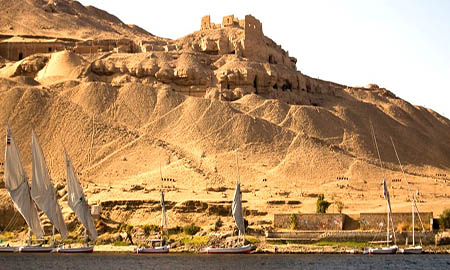
Qubbet el-Hawa Tombs of the Nobles in Aswan
The Tombs of the Nobles overlook the Nile from Aswan’s western bank.

The tombs belonged to governors and officials who controlled Egypt’s
southern frontier during different periods, particularly the Old and
Middle Kingdoms. Their inscriptions and scenes reveal expeditions,
family relationships, titles, religious beliefs, and contact with lands
to the south. These were people responsible for trade, diplomacy,
resource movement, and royal authority in a complex border region.

Qubbet el-Hawa feels more intimate than a major temple. You climb
through sand and rock, enter chambers cut for individual families, and
then step back into brilliant sunlight. Not every tomb is always open,
and access conditions can change, so check locally. The path involves
stairs and uneven surfaces. Wear secure shoes and avoid the hottest part
of the day.

Read our full Qubbet
el-Hawa guide
before visiting. Two hours is a useful
allowance, including the boat crossing and climb.

6. Sail a Felucca at Sunset

Few experiences capture Aswan more simply than a felucca ride. These
traditional sailboats use the wind rather than an engine, so the journey
follows the conditions of the river. When the breeze is steady, the boat
leans gently and glides between islands. When it falls, the pace becomes
very slow. That uncertainty is part of the experience.

A sunset sail can pass Elephantine, the Botanical Garden, the
western-bank dunes, and small granite islands. The city becomes quieter
on the water, and the last light warms the desert while the river turns
silver and blue. Bring a light layer in winter because the temperature
can drop quickly after sunset.

Agree on the duration, route, total price, and return point before
departure. A one-hour sail is relaxing; two or three hours allow you to
move beyond the busiest waterfront. Feluccas are not the best choice
when you must reach a ticketed site at an exact time. For fixed
schedules or places requiring a direct crossing, use a motorboat.

7. Explore the Aswan
Botanical Garden

Kitchener’s Island, officially known as the Aswan Botanical Garden,
forms a green strip in the Nile. Paths pass palms, flowering plants, and
trees introduced from different tropical and subtropical regions. After
several days of stone temples and desert roads, the shade and greenery
make a pleasant change.

The garden works well as part of an island-hopping afternoon. Arrive
by felucca or motorboat, walk from one end toward the other, and arrange
for your boat to meet you at the exit. The experience is less about rare
labels and formal botanical interpretation than about atmosphere: birds
in the branches, river views through the foliage, and a cooler path away
from traffic.

Allow about an hour. Conditions, maintenance, and ticket arrangements
can vary, so treat it as a gentle addition rather than the single
centerpiece of a tightly scheduled day.

8. Experience Nubian
Culture with Respect

Colorful Nubian villages have become some of Aswan’s most
photographed destinations. Gharb Soheil is the best-known, with painted
houses, riverfront cafés, markets, music, and family-run guest spaces. A
visit can be joyful and memorable, but it should not reduce Nubian
identity to decorative walls and souvenir photographs.

Choose an experience that includes conversation, food, crafts, or
music led by local residents. Ask about language, family history,
architecture, and how communities adapted after relocation. Buy directly
from local makers when possible. Always request permission before
photographing people, especially children or private interiors.

Some venues display live crocodiles. Travelers concerned with animal
welfare may prefer cultural activities that do not rely on captive
animals. A respectful visit supports residents while giving you a more
meaningful understanding of Nubian life.

Combine the village with kayaking, a motorboat ride, or a west-bank
sunset rather than trying to rush it between monuments. Two to three
hours allows time for hospitality instead of treating the community as a
quick photo stop.

9. See the
Aswan High Dam and Think Beyond the View

The Aswan High Dam represents one of the most consequential
engineering projects in modern Egypt. Completed in the twentieth
century, it helped regulate the Nile’s flow, generate electricity, and
expand control over irrigation. It also created Lake Nasser, transformed
ecosystems, contributed to the relocation of Nubian communities, and
triggered the international campaign to save threatened monuments.

The viewpoint gives a sense of the dam’s immense scale, but the visit
becomes more valuable when connected with the Nubian Museum and
relocated temples such as Philae and Kalabsha. Together, these places
reveal both the benefits and costs of reshaping a river.

Most travelers spend thirty to forty-five minutes here. Photography
rules can change because the dam is strategic infrastructure, so follow
current instructions. The dam is commonly combined with Philae and the
Unfinished Obelisk, although that creates a full and relatively fast
day.

10.
Discover Kalabsha Temple and Its Neighboring Monuments

Kalabsha Temple stands near the High Dam in a location reached by
boat. Dedicated primarily to the Nubian deity Mandulis, the visible
temple was developed during the Roman period over an older sacred site.
Its broad courtyards, columns, reliefs, and view across Lake Nasser make
it one of the most impressive yet less crowded Aswan attractions.

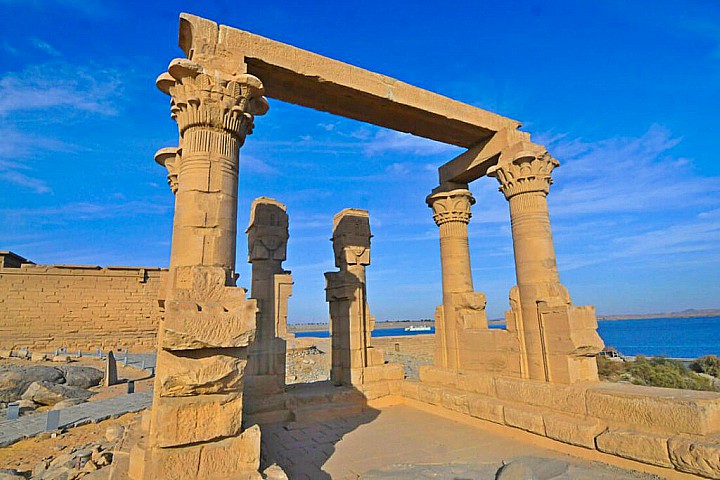
Kalabsha Temple near the Aswan High Dam
Kalabsha Temple was relocated during the international Nubian rescue campaign.

Nearby are the small kiosk of Qertassi and the rock-cut temple of
Beit el-Wali, associated with Ramesses II. Like Philae, these monuments
were moved during the Nubian rescue campaign. Their present arrangement
offers a concentrated lesson in ancient religion and modern
preservation.

Kalabsha is ideal for travelers who enjoy major sites without large
crowds. The boat logistics require planning, which is one reason many
short itineraries omit it. Read our Kalabsha Temple
guide
and allow roughly three hours including road and boat
time.

11. Spend Time in Aswan Souq

Aswan Souq stretches through the city with spices, baskets, textiles,
perfumes, dates, peanuts, hibiscus, clothing, household goods, and
souvenir stalls. Unlike a monument, it does not need a strict route.
Enter in the late afternoon, walk slowly, and notice which parts serve
local residents and which focus on visitors.

Hibiscus, known as karkadeh, is closely associated with southern
Egypt and makes a practical gift. Spices should smell fresh rather than
dusty, and packaged food is easier to carry. Bargaining is common for
many tourist goods, but keep the exchange friendly. A fair purchase is
more important than winning the smallest possible price.

The souq becomes lively in the evening when the heat softens. Keep
normal city awareness, protect valuables in crowded sections, and ask
before photographing vendors. One to two hours is enough for a first
visit, though food lovers may return more than once.

12. Have Tea Beside the Nile

Not every memorable Aswan activity needs an entrance ticket. A quiet
hour beside the river can reveal more of the city than another hurried
stop. Choose a terrace or café with a view of Elephantine and watch
ferries, fishing boats, feluccas, and motorboats cross in different
directions.

The historic Sofitel Legend Old Cataract Aswan is famous for its
architecture, gardens, river views, and associations with writers and
travelers. Non-resident access, dining reservations, dress expectations,
and minimum charges can change, so contact the hotel directly rather
than assuming you can walk in. There are also simpler local cafés where
tea, coffee, or fresh juice comes with an equally absorbing view.

13. Visit the Monastery of
St. Simeon

Beyond the western-bank dunes stand the remains of the Monastery of
St. Simeon, also called Anba Hadre. The fortified complex developed as
an important Christian monastic center and includes churches, cells,
service areas, and defensive walls. Its desert setting gives the visit a
powerful sense of distance from the river city.

Reaching the monastery usually involves a boat crossing followed by a
walk, vehicle arrangement, or camel ride depending on the route and
current access. Choose animal rides only when the animal appears healthy
and well treated. The site is exposed, so morning is best and sun
protection is essential.

Allow two to three hours including transport. Travelers interested in
Egypt’s Christian history will find it especially rewarding, and the
combination with Qubbet el-Hawa can make a strong west-bank day if
energy and temperatures permit.

14. View the Aga
Khan Mausoleum from the Nile

The pale stone Aga Khan Mausoleum stands prominently on the western
bank above the river. It is associated with Aga Khan III, a major
twentieth-century leader of the Nizari Ismaili community. The building’s
position makes it one of Aswan’s most recognizable landmarks, especially
in late-afternoon light.

Public access has often been restricted, so do not plan an itinerary
that depends on entering. Instead, appreciate the mausoleum from a
felucca, motorboat, Elephantine Island, or the eastern waterfront. A
responsible guide should describe it as a landmark view unless current
access has been confirmed.

15. Go Kayaking on the Nile

Kayaking reveals a different Aswan. Sitting close to the water, you
can enter channels that larger boats pass too quickly. Granite boulders
rise beside the kayak, reeds move at the island edges, and the sound of
traffic fades. Depending on the route, paddlers may see Elephantine,
Nubian villages, west-bank dunes, small islands, and river birds.

Kayaking between Nile islands in Aswan
Kayaking offers a close-to-the-water view of Aswan’s granite islands.

Beginners should use an established operator that provides a properly
fitted life jacket, stable equipment, a safety briefing, and a local
guide familiar with currents and boat traffic. Wind can strengthen
during the day, and the Nile is a working river, not a closed lake.
Early morning or late afternoon often offers more comfortable
conditions, but the guide should make the final decision based on
weather and water.

Do not carry loose valuables. Use a waterproof phone pouch, sun
protection, quick-drying clothing, and secure footwear. If you cannot
swim confidently, tell the operator in advance. A one-hour session is
enough for a first experience; two to three hours suits active travelers
who want to explore farther.

Kayaking is one of the best things to do in Aswan for travelers who
want a physical activity without leaving the city. It also creates a
natural break between temple-heavy days.

16. Try Fishing with a Local
Expert

Fishing with a local expert on the Nile in Aswan
A quiet early-morning fishing experience reveals another side of the Nile in Aswan.

Fishing has long been part of life along the Nile. For visitors, the
value lies less in chasing a guaranteed catch than in spending quiet
time on the water with someone who understands local channels, seasons,
methods, and conditions. A morning with a local fisherman can become a
lesson in the river itself.

Arrange the experience through a reputable local contact who can
confirm where visitor fishing is appropriate and whether any current
permissions or restrictions apply. Avoid protected areas, respect catch
limits and local practices, and never leave line, hooks, or plastic
behind. Responsible operators should not promise a particular species or
quantity.

Early morning is usually the most comfortable time. Bring sun
protection and drinking water, and ask whether equipment is provided.
Fishing can also suit families with older children, provided the boat
has safety equipment and the activity is supervised carefully.

17. Watch Birds and
Seasonal Migration

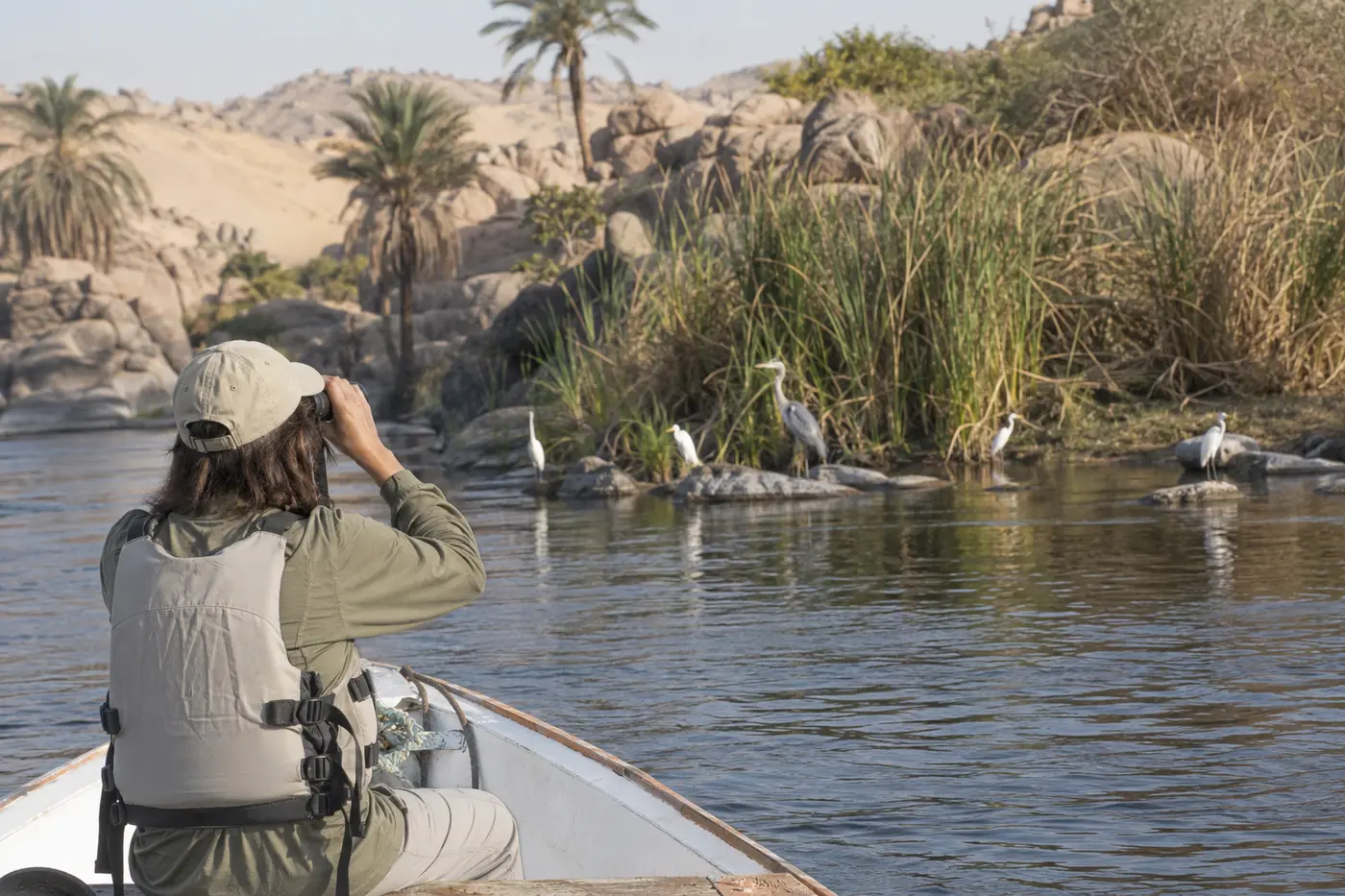
Birdwatching among the Nile islands of Aswan
Responsible birdwatching keeps a safe distance from herons, egrets, and other Nile wildlife.

Aswan’s islands, reeds, gardens, mud edges, and quieter river
channels create habitat for resident and migratory birds. The region
lies along routes connecting Africa, the Mediterranean, Europe, and
western Asia, so the cooler months and migration periods can bring
changing species to the Nile corridor.

You do not need to be an expert birdwatcher. A small pair of
binoculars and a slow boat ride can reveal herons, egrets, kingfishers,
waders, raptors, and other water-associated birds, though sightings vary
by season, water level, time, and luck. Saluga and Ghazal islands are
widely associated with protected natural habitat near Aswan; visits
should follow current environmental rules and avoid disturbing nesting
or feeding areas.

Early morning is best for activity, cooler weather, and softer light.
Ask the boat operator to reduce speed near birds and never request that
someone chase a flock for photographs. Use a telephoto lens rather than
approaching nests. Recorded bird calls should be avoided because they
can disrupt feeding and territorial behavior.

Birdwatching pairs naturally with kayaking, the Botanical Garden, or
a quiet motorboat route around the islands. It offers a refreshing
perspective on Aswan as an ecosystem rather than only an archaeological
destination.

18.
Photograph Sunrise, Sunset, and the Desert Light

Aswan rewards photographers because water, granite, palms, sails, and
desert occupy the same frame. At sunrise, the eastern light reaches the
western dunes and Qubbet el-Hawa. At sunset, feluccas become silhouettes
and the river reflects warm colors. After dark, the contrast between
illuminated boats and the quiet islands can be beautiful.

The best photograph often comes from waiting rather than visiting
another location. Choose one viewpoint, observe the movement of boats,
and allow the light to change. Ask permission before photographing
residents or working fishermen, and follow current rules at
archaeological and strategic sites. Drones are subject to strict
Egyptian regulations and should never be used without the required
official permissions.

19. Take a Desert Walk
on the West Bank

The western bank gives you quick access to a landscape that feels far
from the city. Sandy paths and dunes rise behind the river, offering
wide views over islands and Aswan’s skyline. A short walk near sunset
can be enough; longer routes should be arranged with someone who knows
the area.

Desert heat and dehydration are serious risks. Avoid midday, carry
more water than you think you need, use sun protection, and tell someone
your route. Sand can make distances deceptive. Travelers with mobility
limitations may prefer a boat-based sunset view.

Camel rides are available in some areas. If you choose one, agree on
the route and price in advance and assess the animal’s condition. Do not
ride an animal that appears injured, exhausted, or poorly handled.

20. Make a Day Trip to Abu
Simbel

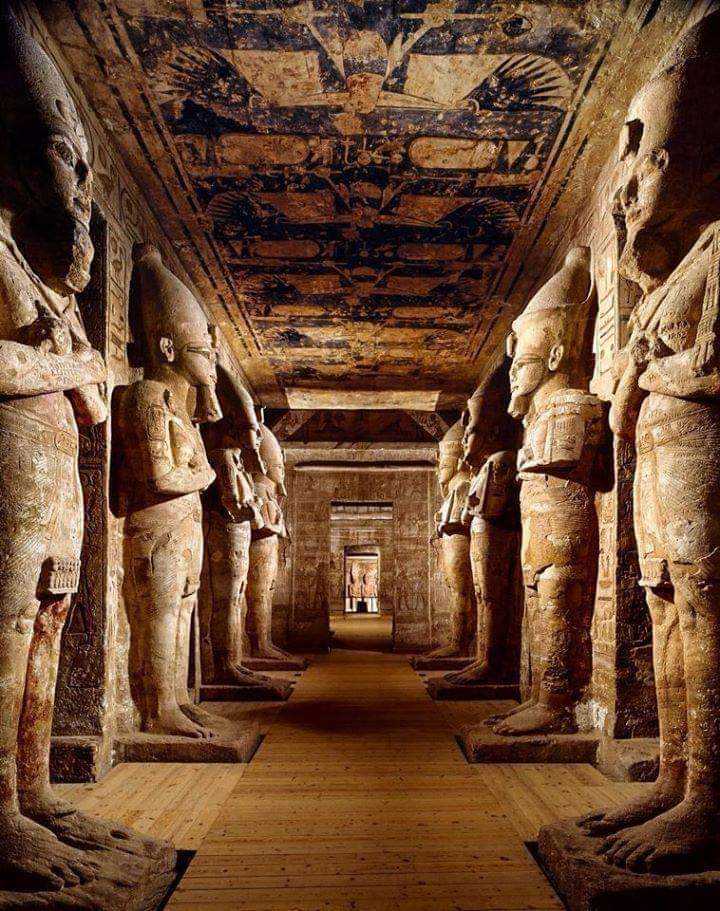
Abu Simbel lies far south of Aswan near Lake Nasser, but it is one of
the region’s defining experiences. The Great Temple of Ramesses II
presents four colossal seated figures across its façade, while the
neighboring temple honors Queen Nefertari and the goddess Hathor. Their
scale expresses royal power, but the interior reliefs, sacred alignment,
and surrounding landscape deserve as much attention as the famous
exterior.

Great Temple of Ramesses II at Abu Simbel
Abu Simbel is a long but unforgettable day journey from Aswan.

The temples were cut into a new artificial hill during the
international rescue campaign, saving them from the rising waters of
Lake Nasser. The modern relocation is itself a remarkable chapter in
heritage preservation.

Road journeys commonly begin very early and take roughly three to
four hours each way depending on conditions and checkpoints. A private
Aswan
to Abu Simbel transfer
gives you control over pickup,
comfort stops, and the return rather than making the day feel like a
race. Read our complete Abu Simbel
guide
before departure and confirm current tickets and
opening hours officially.

21. Follow the Nile North
to Kom Ombo

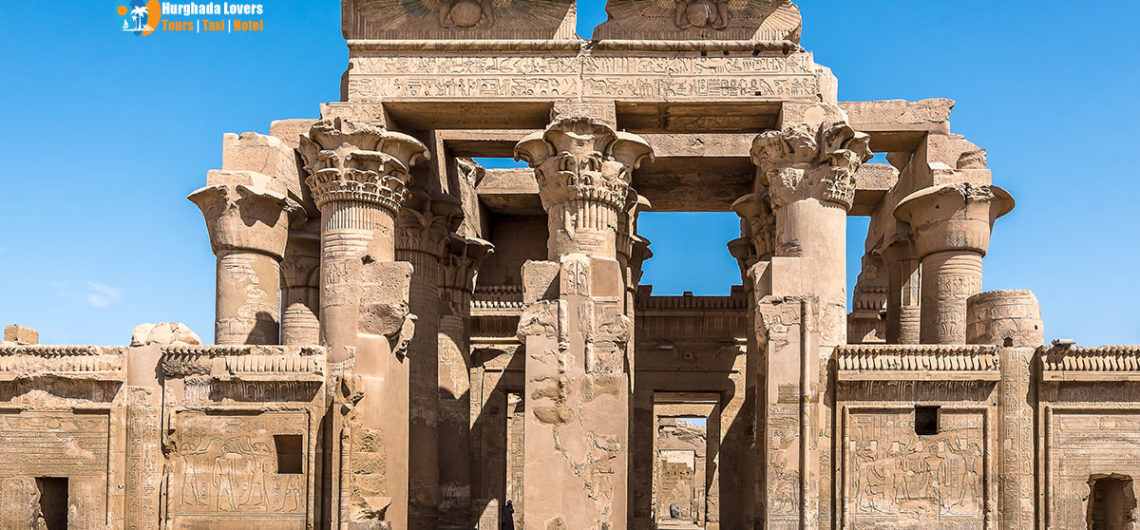
Kom Ombo Temple stands beside the Nile north of Aswan and is unusual
for its paired arrangement associated principally with Sobek and Horus
the Elder. The reliefs include ritual scenes, calendars, and images
frequently discussed in connection with medicine, although popular
interpretations sometimes go beyond what the evidence securely
proves.

Kom Ombo Temple beside the Nile north of Aswan
Kom Ombo can be visited on the road or river journey toward Luxor.

The adjacent Crocodile Museum helps explain Sobek’s cult and displays
mummified crocodiles. Kom Ombo can be visited as a half-day outing, a
cruise stop, or part of an overland journey toward Luxor. Our Kom
Ombo Temple guide
provides historical context.

22. Continue to Edfu
on the Road to Luxor

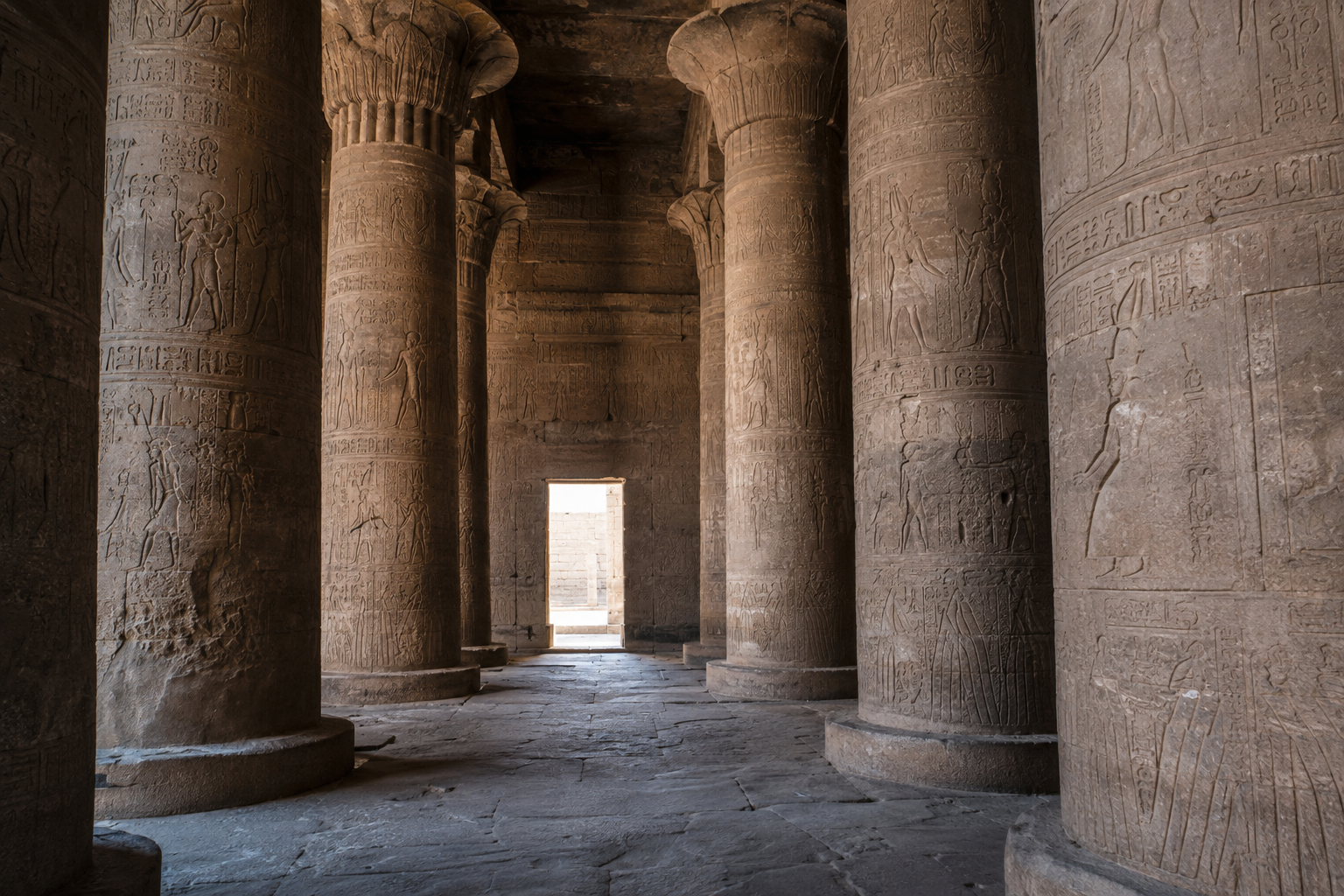
Farther north, Edfu Temple preserves one of Egypt’s most complete
temple sequences. Its towering pylon, sunlit courtyard, hypostyle halls,
ritual chambers, granite naos, and reliefs connected with Horus make the
architecture easy to follow from public space toward the sanctuary.

Columns inside the hypostyle hall of Edfu Temple
Edfu preserves one of Egypt’s most complete temple interiors.

Edfu is best treated as part of a full transfer day between Aswan and
Luxor rather than a quick return outing. Travelers using an Aswan
to Luxor private transfer
can request stops at Kom Ombo and
Edfu, subject to timing and opening hours. Our detailed Edfu Temple
guide
helps you recognize the major spaces before
arrival.

How Many Days Do You Need in
Aswan?

One Day in Aswan

With one full day, choose quality over quantity. Visit Philae early,
continue to the Unfinished Obelisk, and spend the late afternoon at the
Nubian Museum. End with the souq or a short felucca sail. The High Dam
can be included, but adding every classic stop creates a rushed
schedule.

Two Days in Aswan

Use the first day for Philae, the Unfinished Obelisk, and the Nubian
Museum. On the second, cross to Elephantine Island, explore its
archaeological zone and villages, then sail at sunset. This plan
balances monuments, living culture, and the Nile.

Three Days in Aswan

Add Qubbet el-Hawa, St. Simeon’s Monastery, Kalabsha, or a Nubian
village according to your interests. Active travelers can replace one
site with kayaking or birdwatching. Three days is the best first-time
balance for many visitors.

Four or Five Days in Aswan

Add Abu Simbel without sacrificing the city. You will also have room
for the Botanical Garden, fishing, a longer felucca sail, photography,
or an unplanned afternoon. This slower schedule is especially
comfortable for families and travelers visiting in warmer weather.

Best Time to Visit Aswan

Aswan is generally most comfortable from late autumn through early
spring, when daytime temperatures are milder and outdoor activities are
easier. Winter is popular, especially around Christmas and New Year, so
book key transport and accommodation early. Nights on the river can feel
cool even after a sunny day.

Spring and autumn can be excellent but temperatures vary. Summer is
extremely hot. If you visit then, begin archaeological sites at opening
time, rest during the middle of the day, drink water regularly, and plan
museums or shaded activities for the afternoon. Heat changes what is
realistic; a short, enjoyable itinerary is safer than trying to copy a
winter schedule.

Bird migration and wildlife sightings do not follow a guaranteed
tourist calendar. Seasonal patterns, water conditions, and weather all
matter. Contact a knowledgeable local guide shortly before the visit if
birdwatching is a priority.

Getting Around Aswan

Aswan uses several forms of transport, and choosing the right one
makes planning easier.

  • Local ferry: Affordable and atmospheric for
    Elephantine and parts of the west bank. Ferries follow local routes
    rather than custom itineraries.
  • Motorboat: Best for direct island crossings,
    Philae, Nubian villages, and combinations requiring fixed timing.
    Confirm whether the quoted price is one way or return.
  • Felucca: Ideal for relaxed sailing, not for a
    strict appointment when wind conditions matter.
  • Taxi or private car: Useful for the airport, Nubian
    Museum, Unfinished Obelisk, High Dam, Philae marina, and longer road
    journeys.
  • Walking: Practical in parts of central Aswan and
    the souq, but heat and uneven pavements can make distances harder than
    they appear.

If you are arriving by air, pre-arranging an Aswan
Airport transfer
removes the need to negotiate after a
flight and makes hotel or Nile-cruise pickup clearer. For day trips, ask
whether waiting time, parking, boat tickets, and return transport are
included. The cheapest initial quote is not always the simplest complete
journey.

Practical Tips for
Planning Aswan Activities

Check official opening hours close to your travel date. Monument
schedules, ticket categories, photography rules, boat access, and
evening performances can change. Carry some Egyptian cash for small
ferries, cafés, tips, and market purchases, even when larger businesses
accept cards.

Dress for strong sun and cultural respect. Lightweight long sleeves,
a hat, sunglasses, comfortable shoes, and refillable water are useful.
At islands and archaeological areas, paths may include steps, sand, boat
edges, or uneven stone. Ask detailed accessibility questions in advance
rather than relying on a general label.

For families, combine one major monument with one lighter activity
each day. Children often enjoy boats, the museum’s reconstructions, the
Botanical Garden, and short island walks more than a continuous sequence
of temples. Life jackets should be available in appropriate sizes.

Solo travelers will find central Aswan manageable, but normal
precautions apply. Share boat plans, avoid isolated desert routes alone,
and use a trusted driver for very early departures. Women may prefer
pre-arranged transport to reduce negotiation, especially at night.

Above all, leave space. A delayed felucca, a long conversation over
tea, or an unexpected bird sighting is not time lost. These are often
the moments travelers remember most.

Frequently
Asked Questions About Things to Do in Aswan

What
are the top things to do in Aswan for a first visit?

Start with Philae Temple, the Nubian Museum, the Unfinished Obelisk,
Elephantine Island, a felucca sail, and either Qubbet el-Hawa or a
respectful Nubian cultural experience. Add Abu Simbel if you have an
extra full day.

Is Aswan
worth visiting if I have already seen Luxor?

Yes. Luxor is famous for monumental temples and royal tombs, while
Aswan offers a different landscape and history shaped by Nile islands,
Nubian culture, frontier archaeology, granite quarries, relocated
monuments, and smaller-scale river experiences.

How many days should I
stay in Aswan?

Three days works well for most first-time visitors. Add a fourth day
for Abu Simbel or for a slower pace with kayaking, fishing,
birdwatching, and island exploration.

Can I visit Philae
Temple without a boat?

No. The temple complex is on Agilkia Island, so the final approach is
by boat. Confirm whether your arrangement includes a private return boat
and waiting time.

Are
kayaking and fishing in Aswan suitable for beginners?

They can be when arranged with experienced local providers using
suitable safety equipment. Conditions vary with wind, currents, boat
traffic, and season, so follow local guidance and do not treat the Nile
as a controlled swimming pool.

When is the
best time for birdwatching in Aswan?

Early morning is usually best, while cooler months and migration
periods may bring additional species. Sightings are never guaranteed.
Choose quiet island channels, keep your distance, and avoid disturbing
feeding or nesting birds.

Can Aswan, Kom Ombo,
and Edfu be combined?

Kom Ombo and Edfu fit naturally into an overland transfer from Aswan
to Luxor. Trying to visit both and return to Aswan makes a long day.
Check opening hours and agree on waiting time before departure.

Is Abu Simbel a day trip
from Aswan?

Yes. It requires a long road journey, commonly with an early start.
Private transport gives travelers more control over timing and comfort,
while flights may suit those who want to reduce road time.

Is Aswan good for families?

Yes. Boats, islands, the Nubian Museum, the souq, gardens, and short
temple visits create variety. Avoid midday heat, confirm child-sized
life jackets, and plan fewer stops than an adult-only itinerary.

What should I book before
arriving?

Book accommodation, airport pickup, Abu Simbel transport, and any
specialized kayaking, fishing, or birdwatching experience in advance
during busy periods. Routine local ferries and souq visits usually need
no reservation.

Final
Thoughts: Let Aswan Move at the Speed of the Nile

The best things to do in Aswan are connected by more
than geography. Philae and Kalabsha reveal ancient sacred landscapes
rescued from rising water. The Nubian Museum explains the human history
behind that transformation. Elephantine and Qubbet el-Hawa show why this
frontier mattered for thousands of years. Feluccas, ferries, fishing
boats, kayaks, and migrating birds remind you that the Nile is not a
backdrop; it is the city’s living center.

Plan the essential places, but do not remove every pause. Watch a
sail cross the sunset. Drink tea beside the river. Walk through a
village without treating each doorway as a photograph. Listen when a
museum or local resident complicates the simple version of a story.
Aswan rewards curiosity more than speed.

When your route is clear, private transport can connect the scattered
pieces comfortably: the airport, Philae marina, the High Dam, Abu
Simbel, Kom Ombo, Edfu, and Luxor. The purpose is not to rush between
them. It is to spend less energy negotiating logistics and more time
experiencing southern Egypt.


Atum

Who is Atum according to the ancient Egyptians?

Atum: The Creator God of Ancient Egypt

Who is Atum?

In ancient Egyptian mythology, Atum is known as the self-created god and the origin of all existence. His name is often interpreted as “the Complete One,” reflecting the belief that he embodied everything before creation began.

According to Egyptian belief, he emerged from the primordial waters known as Nun and stood upon the first mound (benben), marking the beginning of creation. From this moment, the universe started to take shape.

He then brought forth the first divine pair—Shu (air) and Tefnut (moisture)—establishing the foundation of the cosmos.

Atum
Atum

The Creation of the Universe

The creation story begins with the emergence of the first elements of life. From Shu and Tefnut came:

  • Geb (earth)
  • Nut (sky)

From them, the well-known gods were born:

  • Osiris
  • Isis
  • Seth
  • Nephthys

This divine structure forms what is known as the Heliopolitan Ennead, one of the most important theological systems in ancient Egypt.

Connection with the Sun

This deity is closely linked to the sun, particularly its setting phase. In Egyptian belief, the sun has three forms:

  • Khepri (sunrise – creation)
  • Ra (midday – power)
  • Atum (sunset – completion)

This daily cycle reflects the concept of continuous creation and completion.

Historical Presence

Evidence of this god appears in the Pyramid Texts of the Old Kingdom (around the 24th century BCE), making him one of the earliest recorded deities in Egyptian history.

His importance continued across multiple eras, including the Middle Kingdom, New Kingdom, and later periods, showing his lasting influence in Egyptian religion.

Is Atum the Same as Adam?

No, they are completely different.

This ancient Egyptian deity belongs to a completely different religious and cultural system than Adam, who is a central figure in Abrahamic religions such as Islam, Christianity, and Judaism.

  • A creator god responsible for the origin of the universe
  • A human figure considered the first man

The similarity in names is purely coincidental.

Places of Worship

The main center of worship was Heliopolis (ancient Iunu), located near modern Cairo. It was one of the most important religious centers in ancient Egypt.

Other associated locations include:

  • Per-Atum in the Nile Delta
  • Memphis and Saqqara
  • Theban temples such as Karnak and Luxor

He was also frequently mentioned in inscriptions across various temples, even when not the primary deity.

The Divine Family

The creator god is considered the origin of the Heliopolitan Ennead:

  1. Atum
  2. Shu and Tefnut
  3. Geb and Nut
  4. Osiris, Isis, Seth, and Nephthys

This structure represents how the ancient Egyptians understood the formation of the universe.

Symbols and Representation

He is associated with several powerful symbols:

  • The setting sun
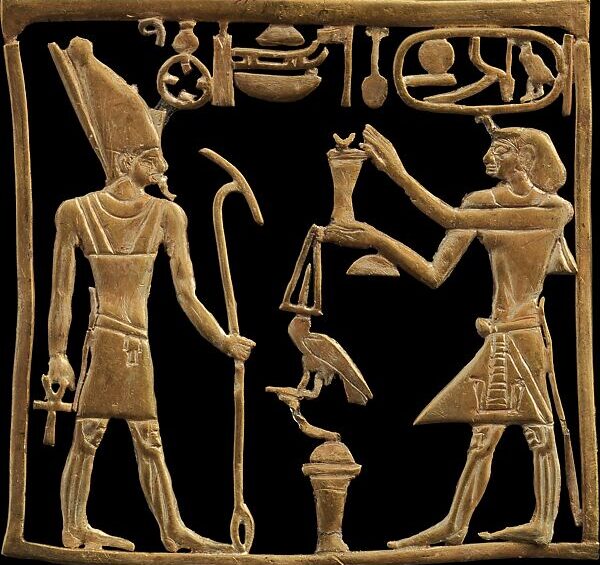
  • The double crown of Egypt
  • Human form as a king
  • Serpent form (symbol of cycles)
  • The benben stone
  • Was scepter and ankh

What Did He Represent?

This deity represents fundamental concepts in Egyptian belief:

  • Creation and origin
  • Completeness and unity
  • Cosmic balance (Ma’at)
  • The cycle of life and renewal

He symbolizes the idea that everything begins from a single source and eventually returns to it.

Relationship with Other Gods

With Khnum

While this creator brings existence into being, Khnum is believed to shape humans physically on a potter’s wheel. Together, they represent different aspects of creation.

With Osiris

One represents creation, while Osiris represents death and rebirth. This relationship reflects the full cycle of existence in Egyptian belief.

Conclusion

Atum remains one of the most important figures in ancient Egyptian religion, representing both the beginning and the completion of existence.

Through this concept, the ancient Egyptians expressed a deep understanding of the universe as a continuous cycle of creation, balance, and renewal.

Contáctanos to explore the beauty of ancient Egyptian civilization.

Atum Trip will provide you with the best travel plans and experiences.

Templo de Filae